At a glance
Explore Water Leak Detection in Baldwin Park: what the work may involve, signs to discuss and questions to ask before agreeing a scope.
How Leak Detection Can Narrow Down the Source
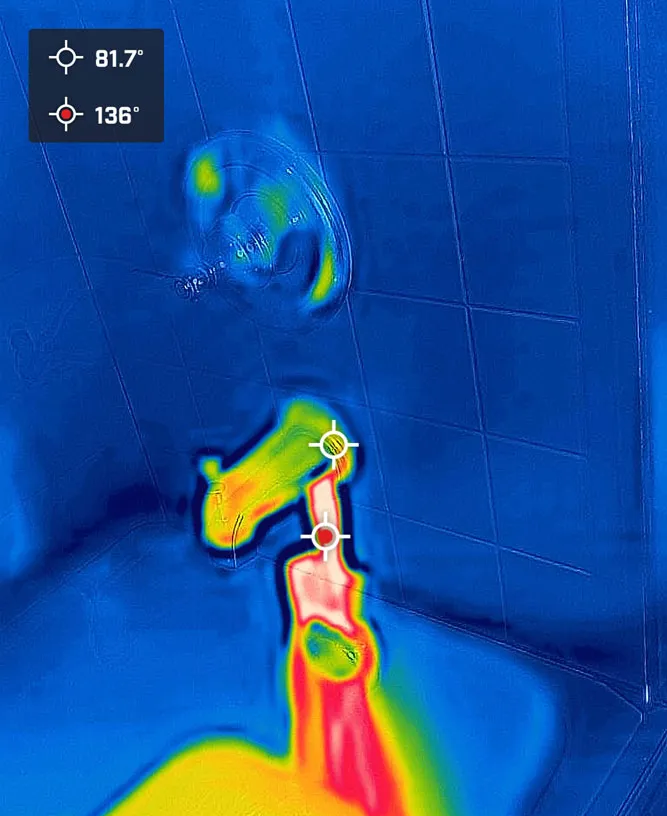
Water leak detection is the effort to determine whether water is escaping from plumbing and, when possible, narrow down its location. The purpose is to distinguish a plumbing concern from other sources of moisture and help inform next steps, rather than assume that visible dampness identifies the source. This overview of plumbing services in Baldwin Park explains what may shape the scope of an investigation.
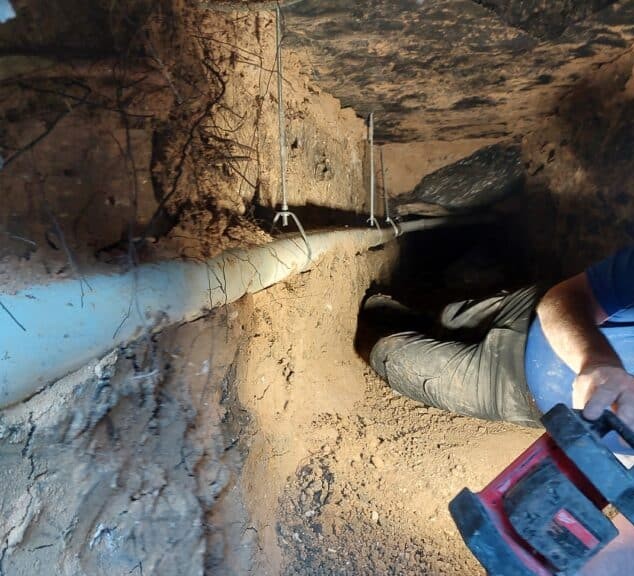
Before choosing an approach, it helps to clarify what is known about the property: which area is affected, whether the concern appears connected to a fixture or a concealed supply or drain line, and what access is available. The plumbing layout, the location and extent of moisture, and any prior repairs can affect what can reasonably be assessed. Without those details, it may be premature to specify how extensive the work should be.
Options depend on the property’s condition and the suspected source. A concern involving a fixture or hot-water equipment may call for a different assessment than one involving a drain or sewer line; related information is available about water heater repair, drain cleaning, and sewer line repair. If equipment condition points toward replacement rather than repair, see water heater installation. These services address different plumbing needs and are not substitutes for identifying the issue.
Property-specific information should guide decisions about access and follow-up, since not every method or repair is suitable in every situation. For additional location information, see Plumbing in Baldwin Park, Plumbing in West Covina, and Plumbing in El Monte.
Common Signs of a Possible Plumbing Leak
Visible dampness, a stain that grows, peeling paint, or flooring that feels wet can indicate moisture, but none of these observations alone confirms a plumbing leak. Condensation, water entering from another source, or a drain issue may produce similar signs. A sound of running water when fixtures are off or an unexplained change in water use can also be worth noting, though other explanations are possible.
Record where and when the sign appears, whether it changes after using a fixture or appliance, and whether it is ongoing or intermittent. Note any odor, changes in water pressure, visible dripping, or recent plumbing work, and take photos if the affected area changes. Avoid opening walls or floors just to investigate; hidden pipes and the source of moisture may not be visible from the surface.
An assessment may need to distinguish a supply-line leak from a drain, fixture, appliance, or non-plumbing source, then determine where further inspection is appropriate. The plumbing layout, access to the suspected area, and extent of moisture can affect what can be checked. If water is actively spreading or near electrical equipment, avoid the affected area and seek appropriate help.
Clarify the Leak Concern Before Inspection
A typical water leak detection process begins by clarifying what prompted the concern. You can share where moisture or other signs appear, when they occur, and whether they seem connected to using a fixture or appliance. It may also help to describe prior plumbing work and identify areas that are difficult to access. The provider carrying out the assessment can use these details to decide what conditions are relevant to check; the precise approach depends on the situation.
Next, the provider may assess accessible plumbing and the affected area, with checks or equipment varying according to the suspected source and property layout. You can ask what areas will be examined, what access is needed, and whether anything should be moved or made available beforehand. Concealed piping, limited access, unclear moisture sources, or findings that point beyond the initial area may change the scope or duration. Not every concern requires the same checks, tools, or amount of access.
Before further work, ask what the assessment indicates, what remains uncertain, and what options or additional investigation may be appropriate. Review any proposed scope, access requirements, and next steps before deciding how to proceed. This is a typical outline, not a promise that each property or leak concern will follow the same sequence.
When to Seek Professional Leak Detection Help
Professional assessment can be useful when the source of moisture is unclear, signs recur after a repair, or the suspected pipe is concealed or difficult to access. A visible stain or damp area may not reveal whether water comes from a supply line, drain, fixture, appliance, or another source. If the proposed investigation involves opening finishes or checking several areas, ask what uncertainty makes each step relevant and what can be confirmed without more access.
Before authorising work, ask who will perform the assessment, what experience or relevant credentials they hold for this type of plumbing investigation, which areas and systems are included, and what methods or equipment may be used. Clarify whether the scope covers diagnosis only or also repair, and how added work, access needs, or unexpected findings will be handled. Request written terms describing the agreed tasks, charges, exclusions, and any approval needed before the scope changes. Clear responsibilities and terms help you understand what has been assessed and avoid assuming that detection automatically includes repair.
Water Leak Detection FAQs
What should a leak detection quote include?
Ask for the assessment area, systems and checks included, and whether the quote covers diagnosis only or any repair. Confirm exclusions, charges for added investigation, and how approval is handled if findings change the scope. Cost can depend on access, plumbing layout, and how clearly the source can be narrowed down.
What information should I share before arranging leak detection?
Describe where and when you notice moisture or other signs, whether they change after using a fixture or appliance, and any visible dripping or prior repairs. Photos and a record of changes can help explain the concern. Mention areas that may be difficult to access; these details can help shape what needs checking.
Could leak detection require opening a wall or floor?
Not necessarily. The need for access depends on the suspected pipe, what can be checked without disturbing finishes, and how clearly the source can be identified. Before authorising any opening or removal, ask where access is proposed, why it is needed, what disruption to expect, and whether you must approve that work separately.
How do I decide between repairing a pipe and replacing it?
That decision depends on the confirmed cause, the condition and location of the affected section, and whether the proposed repair addresses the identified issue. Ask what evidence supports repair or replacement, what each option includes, and any limitations or follow-up work. Detection alone does not establish that a repair is included or required.
What should I confirm before approving further work?
Ask what the assessment established, what remains uncertain, and which additional checks or repairs are being proposed. Confirm the affected area, access or finish removal, itemised charges, exclusions, and how unexpected work will be approved. Request the agreed scope in writing so you can distinguish detection from any separately authorised repair.
Questions about Water Leak Detection?
Describe what you have noticed and ask about the next steps for your property.
Call (626)-275-9536