At a glance
Explore Slab Leak Detection in Baldwin Park: what the work may involve, signs to discuss and questions to ask before agreeing a scope.
What Slab Leak Detection Is Designed To Find
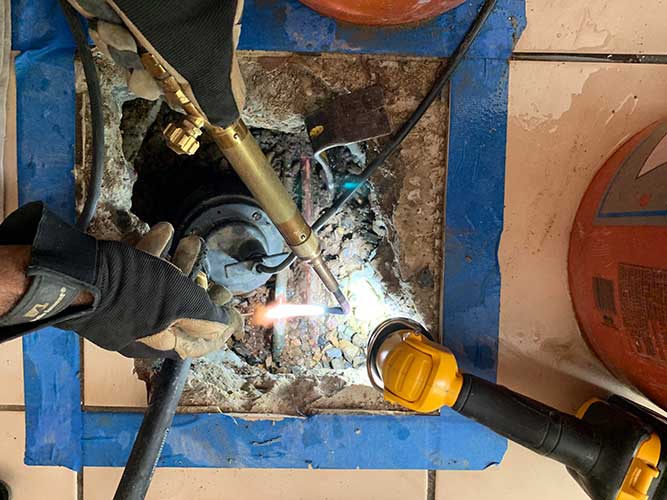
Slab leak detection is intended to determine whether a water line beneath a concrete foundation may be leaking and, if so, narrow down its location. That information can help clarify what repair choices may need consideration before flooring or concrete is disturbed. For an overview of related plumbing services in Baldwin Park, explore the service information available for the area.
Before deciding on a scope, it helps to understand which plumbing lines run beneath the slab, what parts of the property are accessible, and whether there are signs of water damage or previous repairs. The suspected leak’s location and the construction around it can affect how much investigation is appropriate. Detection is not the same as repair: findings may indicate that further assessment is needed before choosing how to address a leak.
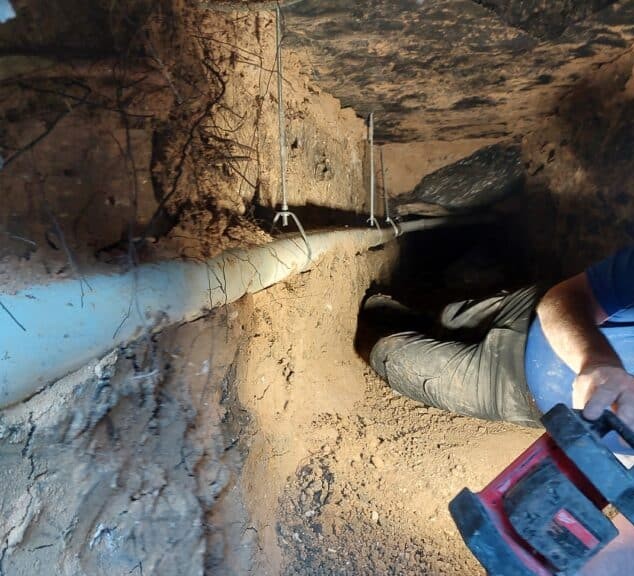
Options depend on the property’s condition and the confirmed source. Depending on those details, a repair plan might involve access through the floor or another route, or consideration of rerouting a line; neither option suits every situation. A leak outside the slab may call for a different service category, such as drain cleaning or sewer line repair. Plumbing concerns involving hot water may instead relate to water heater repair or water heater installation.
Explore the location pages for Plumbing in Baldwin Park, Plumbing in West Covina, and Plumbing in El Monte for further area-specific plumbing information.
Signs That May Suggest a Slab Leak
A change in the floor or nearby surfaces can be worth noting, but it does not by itself confirm a leak beneath the slab. Possible clues include a warm or damp patch, new discoloration, flooring that begins to lift, or water sounds when fixtures are off. A water bill that rises without an obvious change in use may also prompt a closer look. Each sign can have other explanations, including leaks in exposed plumbing or moisture from another source.
Keep track of when the change began, whether it comes and goes, which rooms or fixtures are nearby, and whether hot or cold water use seems connected. Note any visible water, musty odor, changes in water pressure, or prior plumbing work, without disturbing flooring to investigate. If the signs persist, assessment may need to distinguish a pressurized water-line leak from drainage, fixture, or building-moisture issues. The location and condition of plumbing lines, accessible areas, and evidence of water damage can help determine whether slab leak detection is appropriate and what further checks may be needed.
What to Clarify Before Detection Begins
A typical slab leak detection process begins with clarifying the concern: which area is affected, when the change started, and whether it seems connected to hot or cold water use. You can ask what information would help assess the issue and whether the next step is to investigate a possible leak beneath the slab. These details can guide the discussion, but do not confirm the leak’s source.
If assessment proceeds, a plumbing provider may consider the plumbing layout, accessible areas, signs of moisture or prior repairs, and whether other possible sources should be considered. The relevant checks and any equipment depend on the circumstances; not every case calls for the same approach. Ask what areas may need access, whether flooring or other surfaces might be affected, and what could change the scope or duration. A suspected location that is unclear, limited access, or findings that point to another source may require additional investigation.
Before work begins, typical next steps include reviewing the proposed scope, access needs, and any limits to what detection can establish. After assessment, ask what was found, how certain the suspected location is, and whether repair planning or further evaluation is recommended. Detection and repair are separate decisions, and findings may affect what happens next.
Consider Professional Help for Suspected Slab Leaks
Professional assessment can be useful when signs have several possible causes, the suspected leak’s location is uncertain, or access to plumbing beneath the slab is limited. Detection may help distinguish a possible water-line leak from another source, but the checks needed depend on the property and what is accessible. If a proposed repair involves opening flooring or concrete, clarify how the suspected location will be confirmed before that work is considered.
Ask who will perform the assessment and what relevant training or credentials they hold; you can check any claimed qualifications with the appropriate issuing body. Find out what detection methods are proposed, what areas or surfaces may need access, what the assessment can and cannot establish, and whether repair is included or quoted separately. Request an itemized written scope that identifies the work, charges, exclusions, and how any added work will be approved. Before authorizing anything, make sure you understand who is responsible for each task, how findings will be shared, and what terms apply if the scope changes. Clear written terms help prevent disagreement about what was authorized; they do not confirm that a leak exists or guarantee a particular outcome.
Slab Leak Detection FAQs
What should a slab leak detection quote include?
Ask for the assessment steps, areas to be checked, and what the findings will include. Confirm whether the quote covers detection only or also any repair, and identify exclusions such as opening or restoring flooring or concrete. Cost can vary with access, the suspected location, and how much investigation is needed.
What information is useful before arranging an assessment?
Share when the concern began, which areas are affected, what changes you have noticed, and whether they seem linked to hot or cold water use. Mention visible moisture, prior plumbing work, and any available plumbing plans. These details can help frame the assessment but cannot confirm the leak’s location.
Could detection require opening floors or concrete?
Some checks may be possible without opening a surface, but access needs depend on the plumbing layout and findings. Before authorizing work, ask what areas need access, whether any surface could be disturbed, and who would handle restoration. Limited access or an unclear suspected location can affect scope and duration.
How are repair and rerouting options compared after detection?
Detection findings may help identify a suspected location, but repair planning depends on the confirmed source, pipe condition, access, and surrounding construction. Ask for the reasons behind any proposed direct repair or rerouting, the work each option involves, and separate scopes and costs before deciding.
What should I confirm before authorizing slab leak work?
Confirm what the assessment can establish, how findings will be documented, and whether repair is excluded or separately quoted. Review charges, exclusions, access or surface impacts, and how added work requires approval. Ask who performs each task and what terms apply if the suspected source or scope changes.
Questions about Slab Leak Detection?
Describe what you have noticed and ask about the next steps for your property.
Call (626)-275-9536