At a glance
Explore Water Heater Repair in Baldwin Park: what the work may involve, signs to discuss and questions to ask before agreeing a scope.
When Water Heater Repair May Be Needed
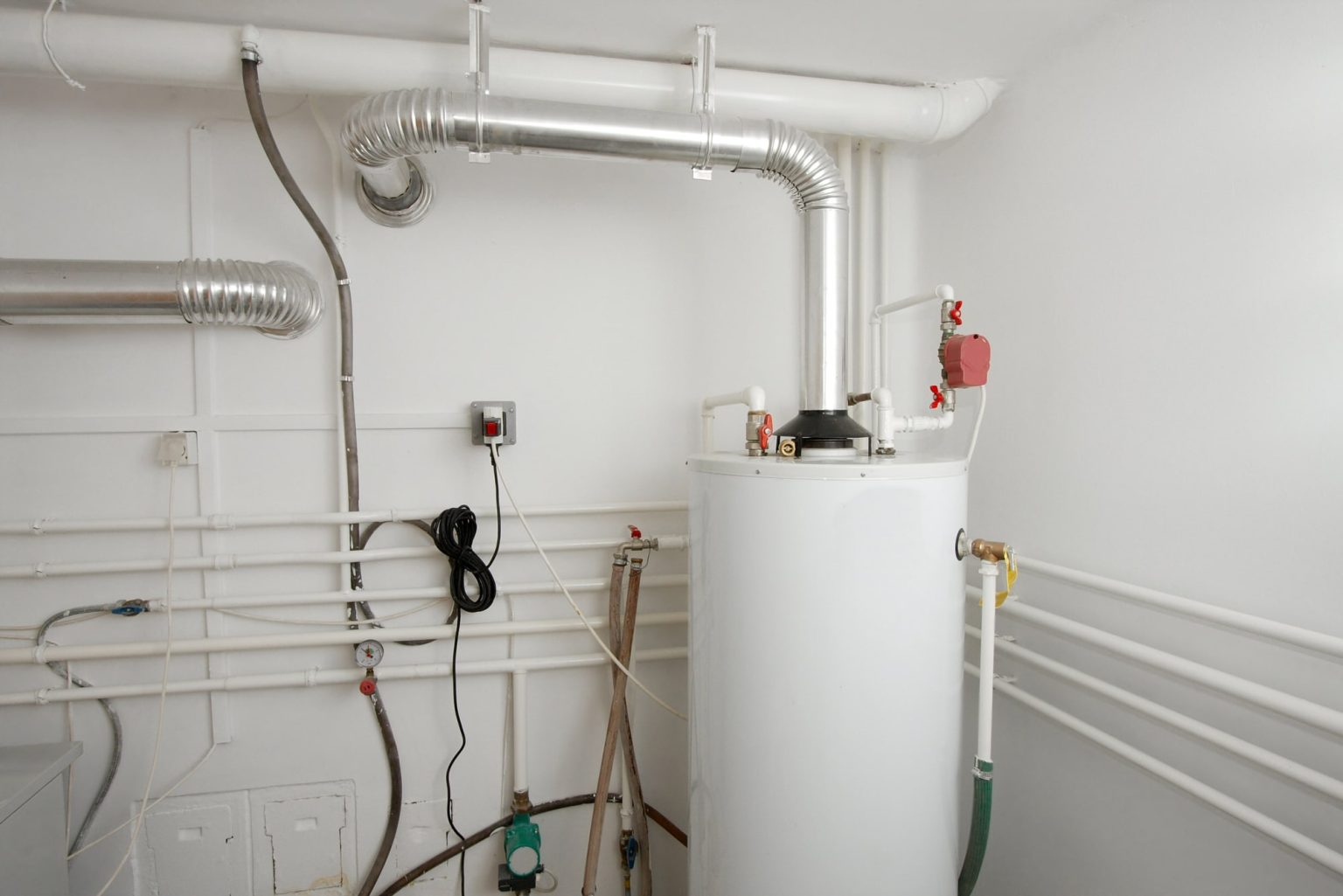
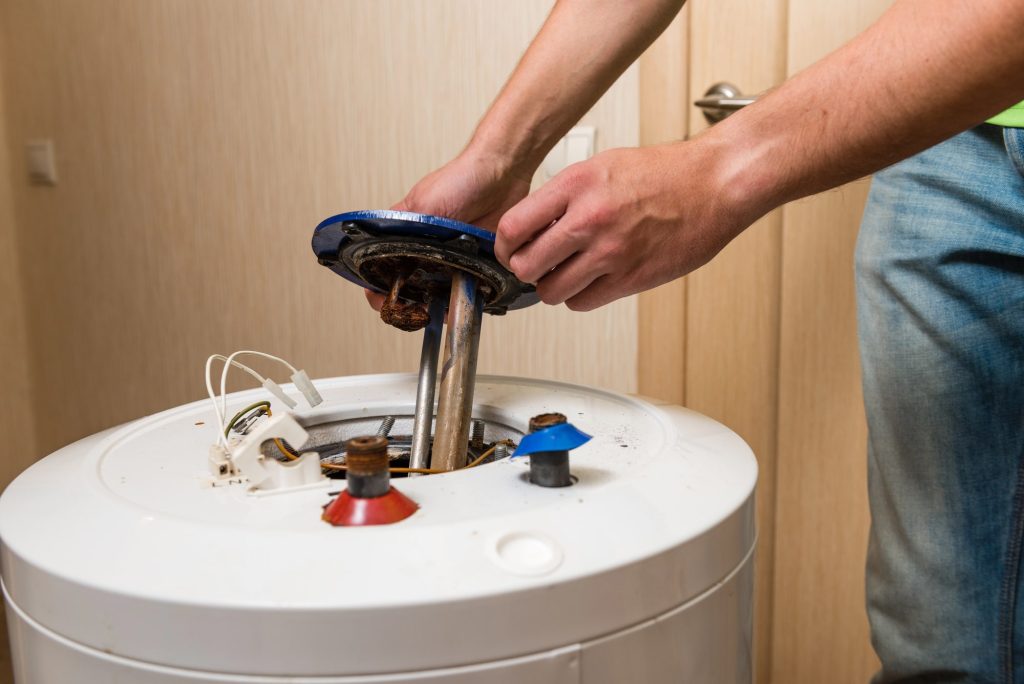
Water heater repair addresses a problem with a unit or its connections, with the aim of restoring proper operation when a repair is suitable. The right scope depends on the cause and condition of the equipment, not just the way the problem first appears. This overview is part of information about plumbing services in Baldwin Park, where plumbing concerns can involve different systems and priorities.
Before deciding what work may be appropriate, it helps to understand the heater’s type, fuel source, approximate age, capacity, and maintenance history. The unit’s visible condition, accessible components, and any related plumbing issues can also affect the available options. A repair may be considered when a specific component or connection is at fault; if the tank or other major parts are significantly deteriorated, water heater installation may warrant consideration instead. The property’s setup and the heater’s condition determine which path is practical.
Water heating equipment connects to other parts of a property’s plumbing, but not every concern points to the same system. A blockage may call for drain cleaning, while a problem involving a sewer line or septic system is a separate matter; see sewer line repair and septic tank pumping & cleaning for those topics. Information on nearby service pages is available for Plumbing in Baldwin Park, Plumbing in West Covina, and Plumbing in El Monte.
Water Heater Warning Signs and Planning Considerations
Changes in hot-water supply can take several forms: water may run cooler than usual, take longer to heat, fluctuate in temperature, or stop heating. These observations can have different explanations, such as a control or heating-component issue, sediment buildup, or a problem with the fuel or power supply. A leak near the heater, unusual sounds, or visible corrosion are separate clues; they do not identify the cause on their own. If you notice a gas smell, avoid operating equipment or switches nearby and follow appropriate local emergency guidance.
For an assessment, note when the change began, whether it happens at every hot-water tap or only one, and whether it is constant or intermittent. Share the heater’s type and fuel source, approximate age if known, any recent changes, and maintenance history. Point out where moisture or corrosion appears and whether the sound occurs during heating. An evaluation may need to consider the unit’s controls and heating components, connections, visible condition, and related plumbing. If the equipment or a major part is deteriorated, repair may not be the only option; the unit’s condition and setup help determine what to consider.
Clarify the Water Heater Repair Assessment Process
Typical repair discussions begin by clarifying what the water heater is doing, when the concern started, and what outcome matters most. You can ask what information would help assess the issue, whether repair and replacement may both be relevant, and what details about the unit to share. An informational enquiry can help frame the request; the provider carrying out any assessment or repair determines the findings and work.
Next, the provider may assess relevant conditions based on the reported issue and the equipment’s setup. Checks can differ with the heater type, fuel source, accessible components, visible condition, and whether related connections or plumbing may be involved. Access to the unit or nearby components, concealed connections, or additional concerns found during assessment may affect the scope and duration. Ask what access is needed and what could change the proposed work.
Before work proceeds, a typical process includes discussing the proposed scope, any alternatives, and factors that could alter it. You can ask what is included, what remains uncertain, and whether parts or further assessment may be needed. After the work, the provider may review what was completed and explain any next steps; if repair is unsuitable, ask what options are available and why.
When to Seek Professional Water Heater Repair
Professional assessment can be useful when the cause is unclear, a problem returns after an earlier repair, or several parts may be involved. Water temperature changes, intermittent heating, leaks, noise, or visible corrosion can have different explanations, and symptoms alone may not show whether repair is practical or replacement should be considered. The heater’s type, fuel source, condition, and connections can affect the work involved. If you notice a gas smell, avoid operating equipment or nearby switches and follow appropriate local emergency guidance.
Before authorising work, ask what the assessment covers, how the proposed repair addresses the reported issue, and what alternatives may be reasonable. Clarify whether parts, related plumbing work, or further assessment are included or would require separate approval. Ask about the person’s relevant training, qualifications, and experience with your heater type, and check any credentials that may apply to the work. Get the scope, responsibilities, charges, and process for approving changes in writing. Clear terms help you understand what is being authorised and what remains outside the agreed work.
Water Heater Repair FAQs
What should a water heater repair quote spell out?
Ask for the diagnosed issue, proposed repair, parts and labor included, and any exclusions. Clarify whether related connections, cleanup, or additional testing are covered, and how extra work would be priced and approved. The heater’s type, condition, access, and parts needed can affect the estimate.
What information should I share when asking about a water heater problem?
Describe the symptoms, when they began, whether they are constant or intermittent, and whether they affect all hot-water taps. If known, provide the heater’s type, fuel source, approximate age, and maintenance history. Mention visible leaks, corrosion, or sounds, but avoid treating symptoms as a confirmed diagnosis.
Could water heater repair disrupt use of the unit or nearby areas?
It can, depending on the fault and proposed work. Ask whether the heater will need to be shut off, what access is required, and whether nearby items should be moved. Work involving concealed connections or additional issues found during assessment may affect the scope and duration.
How can I compare repair with replacing the water heater?
Ask what condition the unit and affected components are in, what the repair is expected to address, and whether other parts may soon need attention. Compare the written repair scope with replacement options, including what each includes. The heater’s condition, setup, and repair requirements affect which choice is practical.
What should I confirm before authorising water heater work?
Confirm the exact work, included parts and labor, exclusions, expected disruption, and any unresolved diagnosis. Ask how added work or costs will be presented for approval, and what happens if the proposed repair does not address the issue. Get the agreed scope and charges in writing before work begins.
Questions about Water Heater Repair?
Describe what you have noticed and ask about the next steps for your property.
Call (626)-275-9536