At a glance
Explore Garbage Disposal Installation in Baldwin Park: what the work may involve, signs to discuss and questions to ask before agreeing a scope.
H2: What to Check Before Installing a Disposal
Garbage disposal installation adds a powered unit beneath a kitchen sink to grind suitable food scraps into smaller particles for flushing through the drain. It can change how scraps are handled, but it does not replace careful disposal practices or solve every drain issue. For an overview of plumbing services in Baldwin Park, consider how a disposal fits into the kitchen’s existing setup and intended use.
Before choosing the scope, key details include whether this is a new installation or replacement, the sink’s available mounting space, the drain connection, and whether a suitable electrical connection is present. The sink opening and existing fittings can affect which units are compatible. Household preferences also matter: capacity, operating style, and noise level are factors to compare, rather than assumptions about what a property requires.
Options depend on the condition of the sink, drain, mounting hardware, and nearby connections. If those components are compatible and serviceable, the work may be limited to fitting a unit and connecting it. If parts are worn, damaged, or unsuitable, additional changes may need consideration. A drain concern may call for drain cleaning rather than a disposal alone; other plumbing topics include sewer line repair, water heater repair, and water heater installation.
For location-specific plumbing information, see Plumbing in Baldwin Park, Plumbing in West Covina, and Plumbing in El Monte. The property’s actual sink and connections determine which installation options are practical.
Signs a Disposal May Need Replacement or Planning
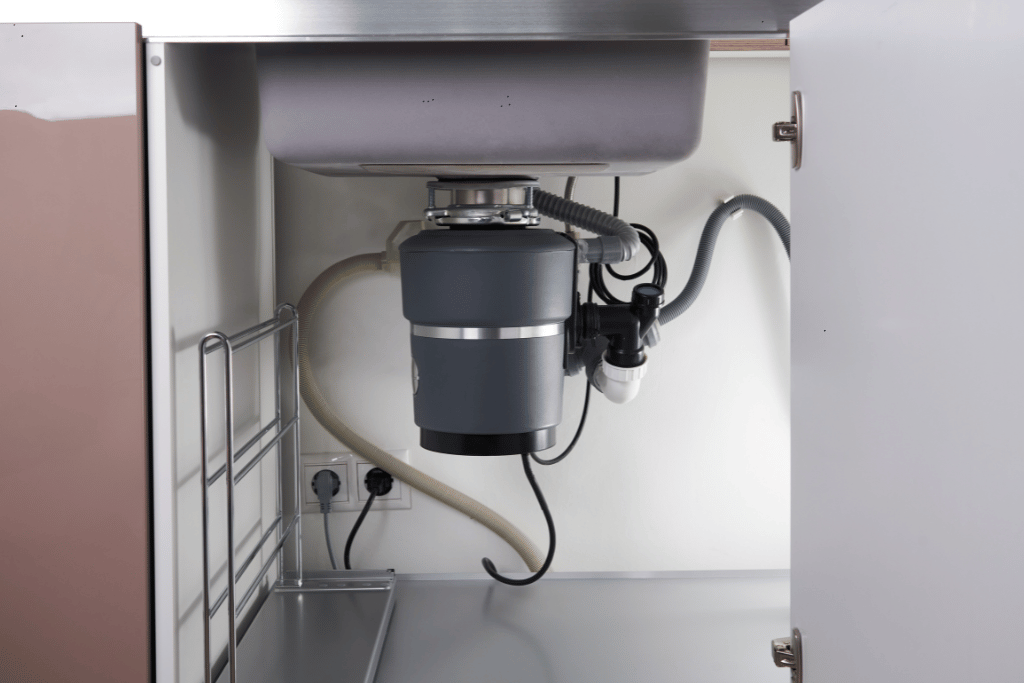
Before installing a garbage disposal, check the space beneath the sink and note anything that could affect fit, such as existing pipes, stored items, or a nearby outlet. These are observations, not proof that a particular unit will or will not work. A tight cabinet, an unfamiliar drain arrangement, or no visible power connection may mean the mounting area, plumbing connections, and electrical setup need assessment before selecting equipment.
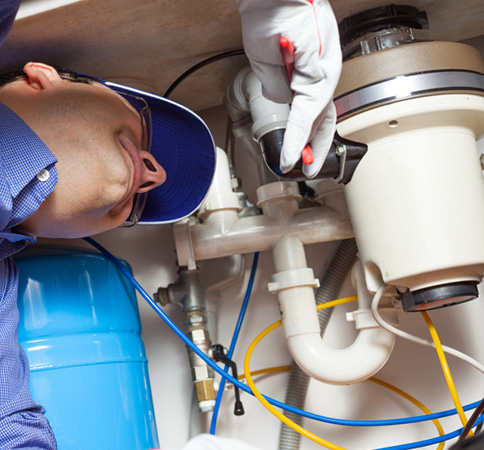
If replacing a disposal, report changes you have noticed: unusual noise, vibration, intermittent operation, leaks beneath the sink, or water draining differently. Each can have several possible explanations; for example, noise could relate to something caught inside, a loose component, or wear, while a leak could come from a connection rather than the unit itself. Note when the change began, whether it occurs every time, and whether the sink drains normally when the disposal is off. Assessment may include the unit, mounting assembly, sink flange, drain connections, and power arrangement. Avoid reaching into the disposal; if it is leaking or behaving unpredictably, stop using it until it can be checked.
Review Sink Fit, Drain, and Power Details
A typical garbage disposal installation begins by clarifying the goal: adding a unit where there is none, replacing an existing one, or comparing options before deciding. You can ask what information is needed to identify a suitable unit, whether you should choose or supply it, and which details may affect compatibility. The installer’s assessment may consider the sink opening and mounting space, drain connections, the existing disposal if present, and the available electrical arrangement. Not every job requires the same checks or equipment.
After assessing the relevant conditions, the provider can discuss a proposed scope, including whether the work appears limited to fitting and connecting a unit or may involve changes to mounting, drainage, or electrical components. Ask what is included, what could add work, and whether anything should be cleared or made accessible beneath the sink. Findings such as incompatible fittings, damaged components, restricted access, or an unsuitable power setup may change the scope and duration; timing depends on the specific installation.
Once the scope is agreed, the provider carries out the installation and can review the completed connections and operation, where applicable. If the work cannot proceed as planned, ask what was found, what options remain, and what the next steps would involve. These are typical stages, not a guarantee that every installation follows the same sequence.
When to Seek Help Installing a Disposal
Professional assessment can be useful when the sink’s mounting space, drain fittings, or existing disposal condition make compatibility uncertain. A new unit may also involve questions about the available electrical connection or changes beyond basic fitting. If you are replacing a unit, describe any leaks, unusual sounds, or drainage changes; these clues can have more than one cause and do not by themselves identify what needs repair. Ask what the assessment will cover and what would prompt a change in the proposed work.
Before choosing someone to assess or carry out the installation, ask about their relevant training or qualifications for the plumbing and electrical parts of the proposed scope, and how they determine unit compatibility. Clarify whether the quoted work includes the disposal, mounting hardware, drain connections, and any electrical work, and what would be treated as additional work. Ask how extra work will be discussed and approved before it proceeds. Written terms should identify the agreed tasks, costs, responsibility for supplying equipment, and any exclusions; review them before authorising work so both sides have a clear understanding.
Garbage Disposal Installation FAQs
What should an installation quote specify?
Ask whether the quote covers the disposal unit, mounting hardware, fitting, drain connections, and testing. Confirm whether removal and disposal of an old unit, replacement fittings, or electrical work are included or excluded. The total cost can depend on compatibility, the condition of existing parts, and any additional work identified.
What information helps clarify which disposal will fit?
Share whether this is a new installation or replacement, the current unit’s make and model if known, and any symptoms or drainage changes. Photos of the sink opening, under-sink space, drain connections, and visible power arrangement may help frame the discussion, but an assessment may still be needed.
Could installation disrupt use of the kitchen sink?
The sink may be unavailable while the unit and connections are being worked on, and access beneath it is usually relevant. Clear stored items from the cabinet and mention anything that limits access. Disruption and duration depend on the installation scope, accessibility, and whether existing connections need changes.
Should a malfunctioning disposal be repaired or replaced?
Not every symptom means the unit needs replacement. Noise, leaks, or poor drainage may come from the disposal, a fitting, or a separate drain issue. Ask what has been checked and what supports the recommendation; compare repair and replacement scopes, including parts, compatibility, and any related connection work.
What should I confirm before authorising installation?
Confirm the exact tasks, equipment supplier, included materials, exclusions, total cost, and how additional work will be priced and approved. Ask whether the scope includes removal of the old unit and checks of the completed connections. Review the written terms and approve changes before extra work proceeds.
Questions about Garbage Disposal Installation?
Describe what you have noticed and ask about the next steps for your property.
Call (626)-275-9536