At a glance
Explore Water Heater Maintenance in Baldwin Park: what the work may involve, signs to discuss and questions to ask before agreeing a scope.
Choose Checks That Help Guide Water Heater Care
Water heater maintenance focuses on checking a unit’s condition and addressing routine care before deciding whether a repair or another option is appropriate. For readers comparing plumbing services in Baldwin Park, the key distinction is that maintenance is not the same as fixing a confirmed fault or replacing a unit. The appropriate scope depends on the heater and what an inspection or its documentation indicates.
Before choosing what to include, identify the heater type, approximate age if known, manufacturer guidance, and any recent work or concerns. Access to the unit and its visible connections can also affect what may be assessed. A general maintenance visit should not automatically be assumed to include repairs, replacement parts, or work on unrelated plumbing.
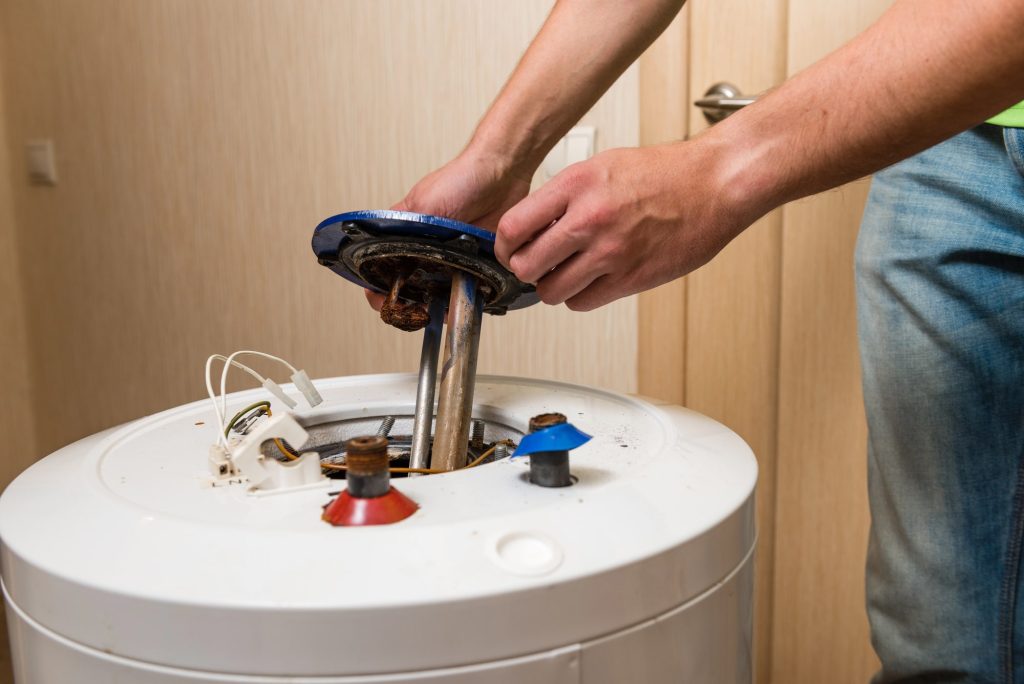
Depending on the unit’s condition and instructions, routine care may involve checking accessible components, looking for signs of wear, or discussing sediment and other maintenance needs. Specific tasks should be selected with the heater’s design and condition in mind; some steps may not apply to every model. If a problem is identified, water heater repair may be a separate consideration, while an older or unsuitable unit may prompt a discussion of water heater installation.
Maintenance scope is distinct from other plumbing concerns: drain cleaning and sewer line repair address different systems. Explore Plumbing in Baldwin Park, Plumbing in West Covina, or Plumbing in El Monte for related location pages.
Water Heater Wear and Maintenance Checks
A change in hot-water performance can be worth noting, but it does not identify a single fault. Record whether water takes longer to heat, runs out sooner, or varies in temperature, and whether the change affects one fixture or several. Unusual sounds, visible moisture, corrosion, or a change in the area around the heater are also observations to report; possible explanations can differ by heater type and condition. If there is active leaking, avoid touching electrical or gas components and seek appropriate help.
For a maintenance assessment, share the heater’s type, approximate age if known, any recent service, and when the change began. Note whether it is constant or intermittent and, if safe, where moisture or visible wear appears. A qualified assessment may consider the unit, accessible connections, controls, venting or electrical components as applicable, and the manufacturer’s care guidance. Depending on findings, routine maintenance, repair, or discussion of replacement may be relevant; a symptom alone does not determine which is needed.
Clarify Maintenance Scope Before Work Begins
Typical water heater maintenance begins with clarifying what you want addressed: routine care, a concern about operation, or guidance on upkeep. You can share the heater type and approximate age if known, any recent work, and the maintenance information available for the unit. Asking which tasks are proposed—and which are outside routine maintenance—can help distinguish care from repair or replacement work.
The assessment may consider the heater’s design, condition, accessible components, and manufacturer guidance; not every check applies to every unit. Access to the heater and the condition of nearby components can affect what can be assessed, while a concern discovered during the visit may change the proposed scope. Before work proceeds, the provider can explain the suggested tasks, any additional work that may be appropriate, and related access needs. Duration depends on the unit, access, and findings, so it is reasonable to ask what could affect the time required.
After the agreed maintenance, typical next steps may include a review of work completed, observations, and any further attention suggested. Ask what was checked, what remains outside the agreed scope, and whether the provider recommends repair or another assessment. Findings and recommendations depend on the individual heater; maintenance does not establish that every issue has been resolved.
Know When Water Heater Maintenance Needs Professional Help
A professional assessment can be useful when the heater’s type or maintenance history is unclear, manufacturer instructions are unavailable, or the proposed care may involve components that need specialist knowledge. It is also sensible to ask for an assessment if performance has changed, visible wear is present, or routine maintenance could uncover a separate repair need. These signs do not by themselves establish a fault or urgency; an assessment can help distinguish upkeep from repair or replacement.
Before choosing a provider, ask what the maintenance includes, which checks apply to your specific heater, and what would be treated as additional work. Ask about relevant training or qualifications for the heater type and task, and how recommendations will be explained if concerns are found. Confirm who will carry out the work and who is responsible for protecting the work area and handling any agreed follow-up.
Before authorising work, get the scope, price or pricing basis, exclusions, and any approval process for extra work in writing. Clarify what documentation you will receive and what happens if the assessment identifies a separate issue. Clear terms help both sides understand what has—and has not—been authorised.
Water Heater Maintenance FAQs
What should a water heater maintenance quote specify?
Ask for the proposed checks and maintenance tasks, the pricing basis, and any exclusions such as repairs, replacement parts, or unrelated plumbing. Cost can depend on heater type, condition, access, and what the requested scope includes. Confirm how additional work will be priced and approved before it begins.
What information should I share before requesting maintenance?
Provide the heater’s type and approximate age if known, any available manufacturer or maintenance documentation, and details of recent work. Describe changes in hot-water performance, visible moisture or wear, and when you first noticed them. These details can help clarify which checks may be relevant without assuming a particular fault.
How can access to the water heater affect the work?
Clear, safe access to the heater and visible connections may help an assessment proceed; restricted access or nearby obstacles can limit what is checked or affect the scope and duration. Ask what area needs to be accessible, whether water or power interruptions may be involved, and what disruption to plan for.
How do maintenance findings guide repair versus replacement?
Maintenance observations alone do not determine that a heater needs repair or replacement. The unit’s condition, type, age if known, performance, and manufacturer guidance may inform the discussion. Ask what evidence supports each recommendation, whether repair is an option, and what separate assessment or installation work would involve.
What should I confirm before authorising extra work?
Get the additional task, price or pricing basis, exclusions, and expected disruption explained before approving it. Confirm that no repair, part replacement, or other work will proceed without your agreement, and ask what records or findings you will receive. This keeps routine maintenance separate from newly proposed work.
Questions about Water Heater Maintenance?
Describe what you have noticed and ask about the next steps for your property.
Call (626)-275-9536