At a glance
Explore Water Filtration Installation in Baldwin Park: what the work may involve, signs to discuss and questions to ask before agreeing a scope.
What to Consider Before Installing a Filter
Water filtration installation adds equipment to a plumbing system to reduce selected substances or particles in water. The purpose varies by filter: some systems treat water at one fixture, while others are designed to serve a larger portion of a property. For background on plumbing services in Baldwin Park, see plumbing services in Baldwin Park. A filter should be chosen for a defined concern, not simply because filtration is available.
Before deciding on scope, identify what you want the system to address and whether treatment is needed at a single tap or across multiple fixtures. Product labels and test results can help clarify which contaminants a particular filter is designed to reduce; filtration systems do not all treat the same things. Consider expected water use, available installation space, plumbing connections and the filter’s replacement requirements. If the concern is unclear, testing or qualified guidance may help narrow the options.
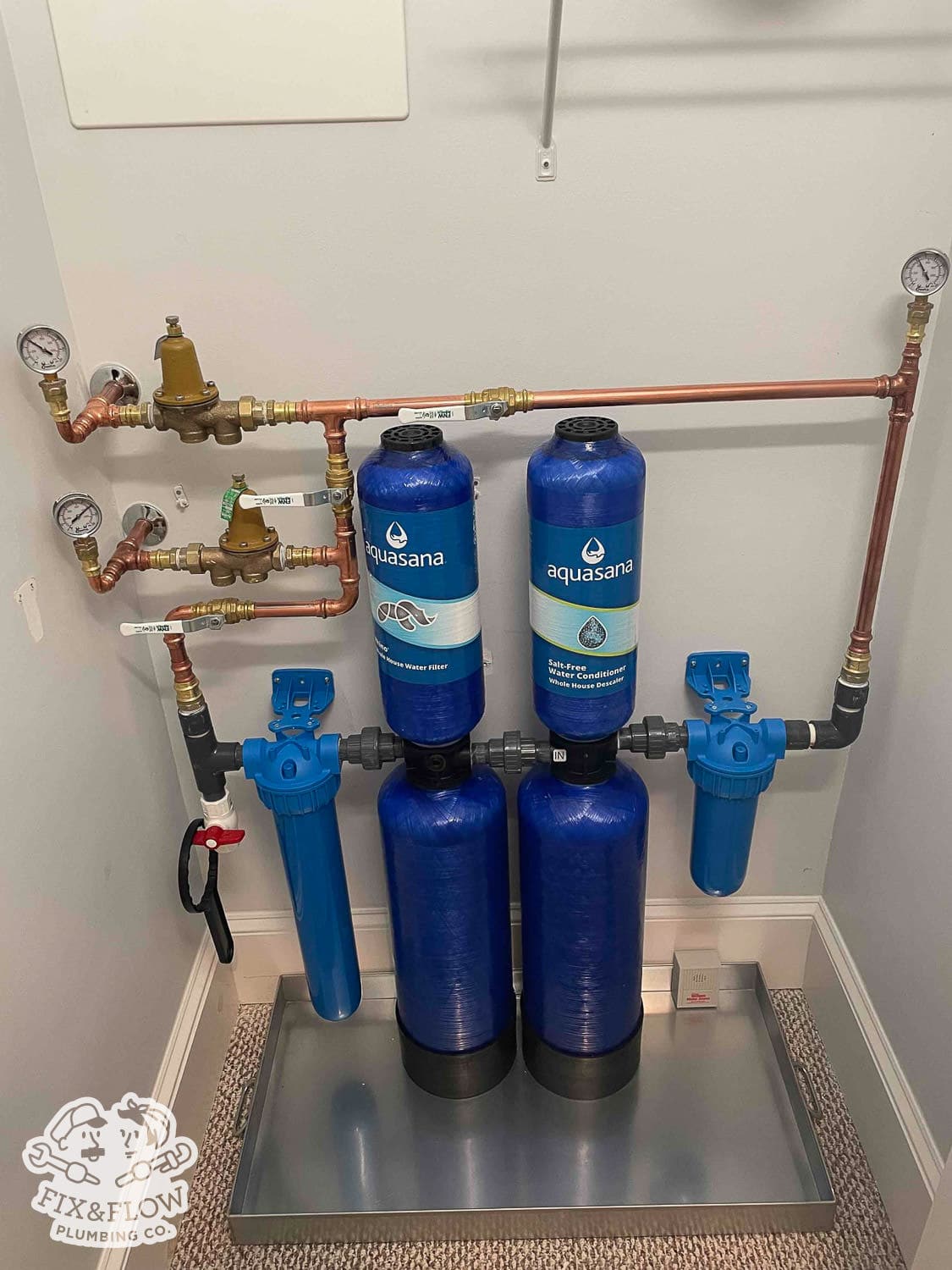
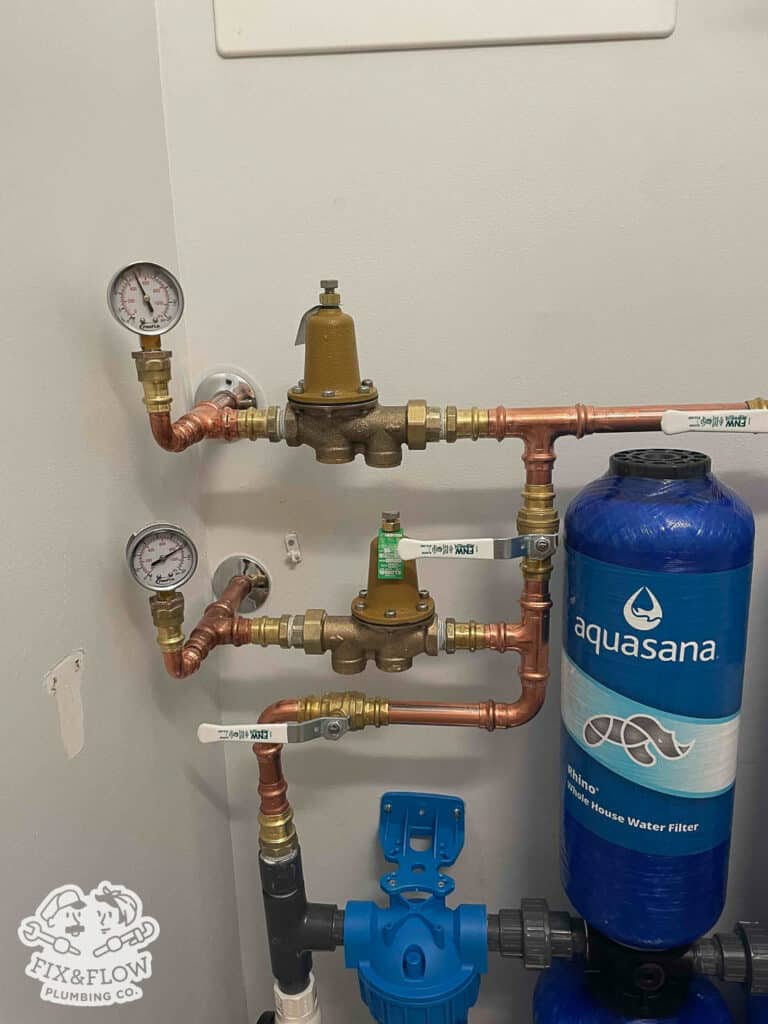
Equipment and placement depend on the property’s existing plumbing, available space and the intended point of use. A countertop or under-sink unit may suit one fixture, while a point-of-entry system treats water as it enters the property. The setup may also affect maintenance access and how the system works alongside other plumbing equipment. Separate issues could call for water heater repair, water heater installation, drain cleaning or sewer line repair; those services address different plumbing functions.
For location-specific plumbing information, see Plumbing in Baldwin Park, Plumbing in West Covina and Plumbing in El Monte. The right filtration scope depends on the water concern and the property’s condition, so compare treatment claims, capacity and ongoing filter needs before selecting equipment.
Signs It May Be Time to Plan Filtration
Changes in water appearance, taste or odor can prompt questions about filtration, but they do not identify a cause on their own. Cloudiness, visible particles or an unusual smell may have several explanations, and a filter is not designed to address every water concern. Note which taps are affected, whether the change is constant or intermittent, when it began, and whether it followed plumbing work or a filter change. If the water’s safety is in question, seek appropriate testing or guidance rather than relying on appearance or taste alone.
Planning installation or maintenance also means watching for changes in an existing system: reduced flow at a treated tap, a change in water quality, leaks around connections, or a filter that has reached its replacement interval. These observations may relate to the cartridge, system capacity, plumbing connections or another issue, so assessment should identify the equipment model, filter age, service history and symptoms. A review may need to check the system’s stated treatment capabilities, installation location, connections and maintenance requirements before deciding whether adjustment, replacement or a different type of assessment is appropriate.
Questions to Clarify Before Installation
A typical water filtration installation process begins by clarifying what you want the system to address and which taps or fixtures should receive treated water. You can ask what a proposed filter is designed to reduce, what information supports that choice, and whether testing or other guidance may help identify a suitable treatment goal. The system type and overall scope can differ for a single fixture and for treatment at the point where water enters a property.
Next, the installing provider may assess conditions relevant to the proposed setup, such as existing plumbing connections, available space, intended water use and access for future filter changes. These checks vary with the equipment being considered; not every installation requires the same assessment. You can ask what access is needed and what could affect placement or installation duration. After that review, the provider can explain the proposed equipment and work, any preparation or maintenance considerations, and factors that could change the scope. Before proceeding, ask what is included, what remains undecided, and what next steps are proposed.
When to Seek Help With Filter Installation
Professional assessment can be useful when the treatment goal is uncertain, test results are difficult to interpret, or a system must serve several fixtures rather than one tap. Installation planning may also involve compatibility with existing plumbing, available space, water flow needs and access for future filter changes. A qualified person can explain how the proposed equipment’s stated treatment capabilities fit the concern; filtration systems do not all address the same substances.
Before authorising work, ask who will assess the setup and who will carry out the installation, what relevant training or credentials they hold, and whether those credentials apply to the proposed work. Request an itemised scope covering the system, installation tasks, any testing or plumbing changes, exclusions, maintenance needs and what would require separate approval. Clarify who is responsible for selecting compatible equipment, making connections, checking operation and explaining filter replacement. Written terms should identify the agreed price, payment arrangements, schedule, changes and any applicable product or workmanship terms. Clear responsibilities and written approval help avoid misunderstandings if conditions or the proposed scope change.
Water Filtration Installation FAQs
What should a water filtration installation quote include?
Ask for the proposed system and its treatment purpose, installation tasks, plumbing changes, and any testing or materials included. Confirm exclusions, filter replacement requirements, and what would require separate approval. Cost can depend on system type, placement, plumbing modifications, and whether treatment is for one fixture or multiple fixtures.
What information helps determine which filter system may fit?
Share the concern you want addressed, which taps or fixtures are involved, and any available water test results. Include details about an existing filter’s model, age, and maintenance history if replacing or changing it. These details help compare treatment claims and system capacity; no filter addresses every water concern.
Could installation disrupt water use or require access to other areas?
Access needs depend on the proposed equipment and where it connects to the plumbing. Ask which areas must remain clear and whether water use may be interrupted while connections are made and checked. Installation duration can vary with placement, plumbing access, and any additional work identified during assessment.
Can an existing filtration system be repaired instead of replaced?
That depends on the cause of the problem, the system’s condition, and whether replacement parts are available and compatible. Share symptoms such as reduced flow or leaks, along with filter age and service records. Ask what assessment supports repair, what it would cover, and how it compares with replacement.
What should I confirm before authorising installation?
Confirm the selected system’s stated treatment purpose, the fixtures it will serve, the complete written scope, exclusions, and maintenance requirements. Ask who selects the equipment, who performs the work, how changes are approved, and what product or workmanship terms apply. Authorise only the scope and price you have reviewed.
Questions about Water Filtration Installation?
Describe what you have noticed and ask about the next steps for your property.
Call (626)-275-9536