At a glance
Explore Electric Water Heater Replacement in Baldwin Park: what the work may involve, signs to discuss and questions to ask before agreeing a scope.
Compare Repair and Replacement Considerations
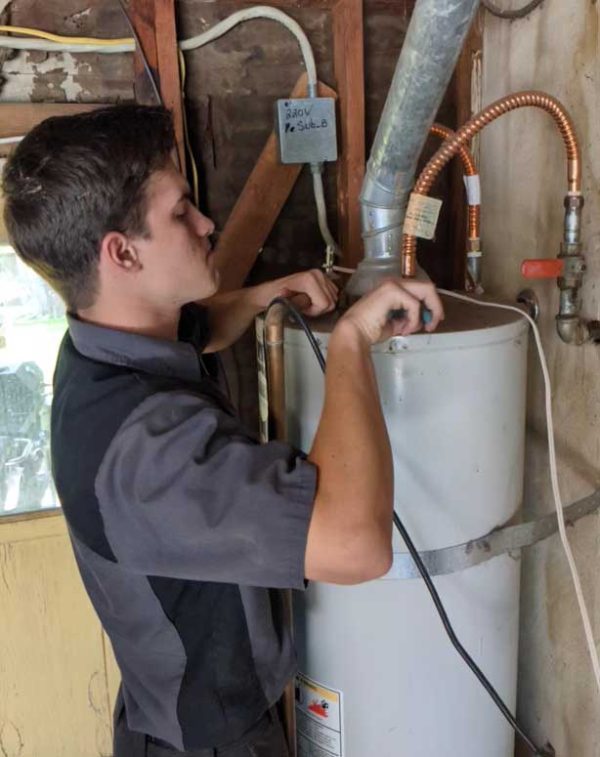
Electric water heater replacement means removing an existing electric unit and selecting another appliance to provide household hot water. It may be considered when repair is no longer suitable or when a different capacity or configuration better fits the household’s needs. This overview is part of the information about plumbing services in Baldwin Park; replacement is distinct from water heater repair, which addresses an existing unit rather than replacing it.
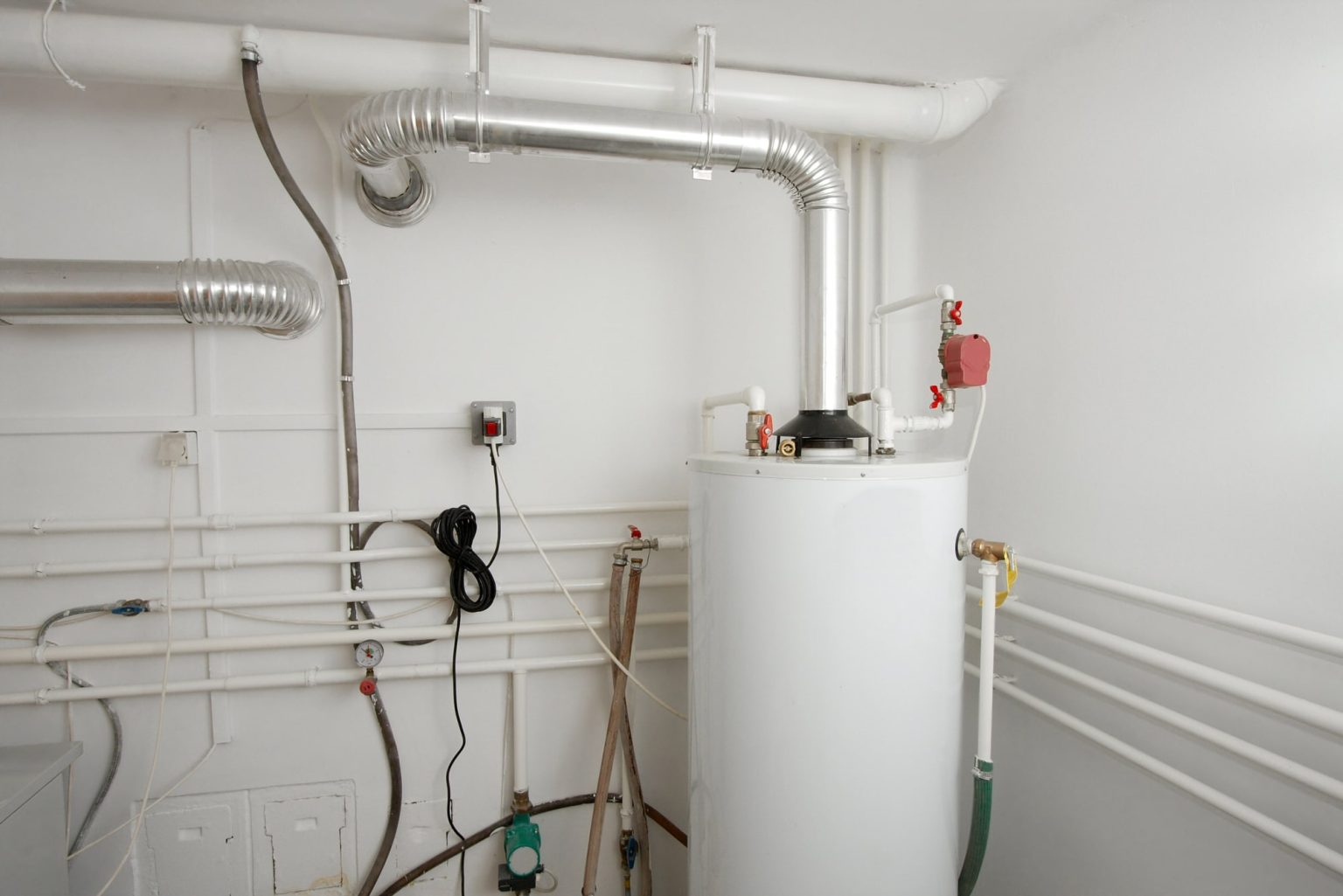
Before choosing the scope, identify the current heater’s capacity, electrical requirements, dimensions, connections, and installation location. Consider how much hot water the household uses and whether the existing setup can accommodate a replacement. The property’s actual conditions matter: access, available space, electrical supply, and the state of connected plumbing can affect which options are practical.
Depending on those conditions, the scope might involve replacing the tank with a comparable electric model, selecting a different capacity, or addressing related components if they are unsuitable or worn. A property may require adjustments to fit a chosen unit; that should not be assumed without assessing its setup. water heater installation covers installation as a related service. Drain or sewer concerns are separate matters; see drain cleaning and sewer line repair.
Replacement decisions can also be compared with repair after the unit and its connections are evaluated. The appropriate scope depends on the appliance and property, not simply the service label. For related location information, see Plumbing in Baldwin Park, Plumbing in West Covina, and Plumbing in El Monte.
When Replacement May Be Worth Considering
Hot water that runs out sooner than expected, takes longer to recover, or varies in temperature can be a reason to assess an electric water heater. These are observations, not proof that the tank must be replaced: possible causes include a heating-element or thermostat issue, sediment buildup, a change in household demand, or another condition. Note when the change began, how often it occurs, and whether it affects every hot-water tap or only one.
Visible water around the unit, rust-colored hot water, unusual popping sounds, or a breaker that trips are also details worth reporting. A leak may involve a connection or the tank itself; discoloration or noise can have more than one explanation. If the breaker trips repeatedly, avoid repeatedly resetting it and arrange an assessment of the heater and electrical supply. Share the unit’s age if known, its capacity or model information, any recent changes in use, and whether there is active leaking. Evaluation may include the tank, electrical components, connections, and installation conditions to determine whether repair or replacement is appropriate.
Questions to Clarify Before Replacement Begins
A typical replacement process begins by clarifying why a new electric water heater is being considered and what the household needs from it. You can ask whether repair should also be evaluated, what capacity and configuration might suit your use, and which details about the existing unit would help compare options. The information needed can vary; the model label, known capacity, or photos may be useful, but are not required in every case.
Next, the provider carrying out the work may assess conditions relevant to the proposed replacement, such as the unit’s location, access for removal and installation, available space, electrical supply, and existing connections. Not every job calls for the same checks or equipment. Restricted access, a different-sized replacement, or related components that need attention may change the scope and duration. Ask what assumptions the proposed scope depends on and what could lead to adjustments.
Before work proceeds, the scope can be reviewed, including what unit is proposed, what removal or connection work is included, and which additional items would be discussed separately. Afterward, typical next steps may include reviewing what was completed and any operating guidance or unresolved items. Confirm with the provider what is included and what follow-up, if any, is planned.
When to Seek Professional Replacement Advice
Professional assessment can help when the existing heater’s electrical requirements, capacity, dimensions, or connections are uncertain, or when a proposed replacement differs from the current unit. Access, available space, the condition of connected plumbing, and the electrical supply may also affect what work is appropriate. Symptoms such as inconsistent hot water do not by themselves establish that replacement is necessary; ask whether the unit can be evaluated for repair as well.
Before choosing who will assess or perform the work, ask what experience and qualifications are relevant to electric water heater replacement, and how those credentials can be verified. Clarify which unit is included, whether removal and disposal are covered, what plumbing or electrical changes are proposed, and how any additional work would be approved. Ask what the assessment does and does not include, and what findings could change the quoted scope.
Get the agreed scope, responsibilities, costs, payment terms, and any applicable follow-up arrangements in writing before authorizing work. Confirm who is responsible for the equipment and for each part of the installation, and who to contact if questions arise afterward. Clear written terms help prevent misunderstandings about what has been approved; avoid assuming that unlisted work or outcomes are included.
Electric Water Heater Replacement FAQs
What should an electric water heater replacement quote spell out?
Ask for the proposed unit and capacity, removal of the existing heater, installation and connection work, and any disposal or related components included. Have potential extra work identified separately, such as changes needed for fit or connections. The written quote should clarify how added costs are discussed and approved before work proceeds.
What details help someone assess the replacement options?
Share the current heater’s model or capacity if known, its approximate age, symptoms, and household hot-water needs. Photos of the unit, its label, surrounding space, and visible connections may help explain the setup. Mention any access constraints or recent changes; an assessment may still be needed to confirm suitability.
What could affect access, disruption, or the time required?
Removal and installation conditions can depend on the heater’s location, clearance, route for moving equipment, and whether the replacement differs in size or configuration. Work may also change if connected plumbing or electrical components need attention. Ask what access must be cleared, what utilities may be interrupted, and what factors could extend the work.
How can I decide between repairing the heater and replacing it?
Ask for the observed fault, whether it can be repaired, and what condition the tank and connected components are in. Compare the proposed repair scope with replacement, including the unit and any necessary changes. Symptoms alone do not determine the choice; suitability depends on the heater’s condition, household needs, and installation setup.
What should I confirm before authorizing replacement?
Confirm the exact unit and work included, exclusions, total quoted cost, payment terms, and how additional work will be approved. Clarify who supplies the heater, handles removal or disposal, and is responsible for each part of the installation. Request the agreed scope in writing, along with any applicable follow-up arrangements.
Questions about Electric Water Heater Replacement?
Describe what you have noticed and ask about the next steps for your property.
Call (626)-275-9536