At a glance
Explore Garbage Disposal Replacement in Baldwin Park: what the work may involve, signs to discuss and questions to ask before agreeing a scope.
When Does a Garbage Disposal Need Replacement?
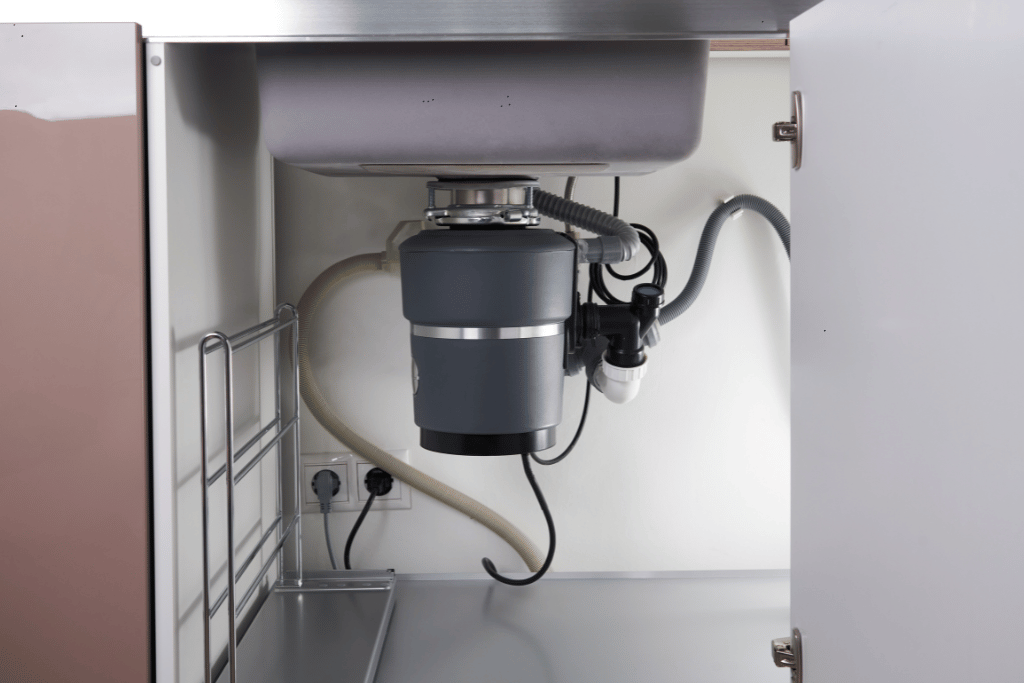
Garbage disposal replacement means removing an existing unit and selecting a new one that can connect to the sink and fit the available space. For readers considering plumbing services in Baldwin Park, the decision is not only about replacing the appliance: its connection to the sink drain, electrical supply and dishwasher line, if present, can affect what work is appropriate. A disposal is also distinct from the home’s wider drain system.
Before setting the scope, it helps to understand the existing unit’s mounting arrangement, power connection, capacity and dimensions, along with the condition of the sink flange, drain connection and nearby wiring. If the unit itself is the issue and surrounding connections are sound, replacement may be limited to that component. If a connection or adjacent part is worn or incompatible, additional work may be needed. A clogged or slow drain may call for drain cleaning rather than a new disposal; broader drainage concerns are different from sewer line repair.
Choice of replacement depends on the property’s existing setup and the intended use. Possible considerations include physical fit, available electrical connection, grinding capacity, noise level and whether a dishwasher drain connection is needed. Some installations may require changes to the mounting or connections, while others may accommodate a compatible unit without those changes. The appropriate scope cannot be determined without information about the actual setup.
For context on other plumbing topics, see water heater repair and water heater installation. Related location pages include Plumbing in Baldwin Park, Plumbing in West Covina and Plumbing in El Monte.
Signs a Disposal May Need Replacement
A disposal that hums without grinding, stops during use, leaks beneath the sink, or repeatedly trips its reset or electrical circuit may be showing a change in condition. These observations do not identify one cause: a jam, worn component, electrical issue, loose connection, or problem elsewhere in the drain assembly could produce similar signs. A slow-draining sink alone does not establish that the disposal needs replacement.
Note when the symptom occurs, whether it is continuous or intermittent, and whether there is unusual noise, leakage, odor, or a change in how the sink drains. Share the unit’s make and model if visible, its approximate age if known, and any recent changes or prior repairs. Avoid reaching into the disposal; if there is active leaking or an electrical concern, stop using it and seek appropriate assessment.
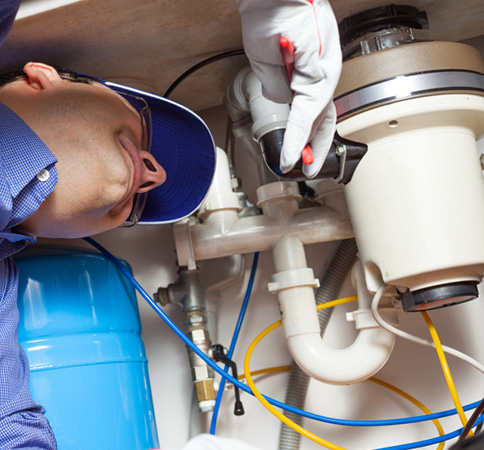
Before replacement, the unit and surrounding setup may need checking: the mounting and sink connection, drain path, power supply, and dishwasher connection if present. Assessment can help distinguish a failed disposal from a blockage or connection issue, and determine whether a compatible replacement fits the available space and existing connections or whether related parts also need attention.
Discuss Unit Compatibility Before Replacement
A typical replacement process starts by clarifying what you want addressed: replacing a nonworking unit, choosing a different type, or checking whether the disposal itself is the source of the problem. You can ask what information would help identify the existing unit, such as its make and model, and what options may fit your needs. These are general process steps, not a promise of a particular assessment or service arrangement.
If an in-person assessment is part of the work, the provider may consider the disposal’s mounting and dimensions, sink and drain connections, electrical supply, and dishwasher connection if present. Not every job requires the same checks. Limited access beneath the sink, incompatible connections, or worn adjacent parts may affect the scope, access needed, equipment, or duration. Ask which items are included in the proposed replacement and what conditions could lead to additional work.
Before work proceeds, the scope can be clarified, including which unit and related parts are included and how any added work would be discussed. After replacement, a typical review may cover operation, connections, and any remaining next steps. Ask what will be checked and whether anything outside the agreed scope remains; the provider carrying out the work determines the assessment and work details.
When to Seek Help Replacing a Disposal
Professional assessment can be useful when the cause of a disposal problem is unclear, the unit’s mounting or connections are unfamiliar, or the replacement may need to match an existing electrical supply, drain arrangement, or dishwasher connection. A leak, repeated interruptions, or a slow drain can have causes beyond the disposal itself, so ask what the proposed assessment will check and how the findings would affect the recommendation. You can also ask whether repair is an option or why replacement is being proposed.
Before authorising work, ask which disposal model or specifications are included, whether removal and disposal of the old unit are covered, and if sink, drain, electrical, or dishwasher connections are part of the scope. Ask about relevant training, qualifications, and experience with disposal replacements, and check any credentials that may apply to the work; requirements vary, so do not assume a particular credential is required. Have the provider explain potential extra work and how it would be approved before proceeding.
Get the agreed scope, price, payment terms, and any stated exclusions in writing. Clarify who will perform the work, who is responsible for the unit and related materials, and what documentation will be provided when the job is complete. Clear terms help prevent different expectations about what the replacement includes.
Garbage Disposal Replacement Questions
What should a replacement quote specify?
Ask whether the quoted scope includes the new disposal, removal of the existing unit, and connection to the sink drain and power supply. Confirm whether a dishwasher connection, mounting parts, or changes to adjacent components are included or excluded, and how any added work and cost would be approved.
What information helps clarify the proposed replacement?
Share the disposal’s make and model if known, approximate age, symptoms, and any visible leaks or drain changes. A clear photo of the unit label and the area beneath the sink may help communicate the setup. Mention a dishwasher connection or prior repairs, but do not remove covers or reach into the unit.
Could a repair be appropriate instead of replacement?
Possibly. A jam, loose connection, electrical issue, or drain blockage can resemble a failed disposal, and some problems may not require replacing the unit. Ask what findings support replacement, whether repair is feasible, and how the recommendation might change if the issue is in the drain or a nearby connection.
What could affect access, disruption, or work duration?
Space beneath the sink, stored items, the mounting arrangement, and the condition of drain, electrical, or dishwasher connections can affect access and scope. Clear the cabinet area if practical, and ask whether water or power must be disconnected, what the work may interrupt, and what factors could extend the work.
What should I confirm before authorising the replacement?
Confirm the disposal model or specifications, included parts and labor, removal and disposal arrangements, exclusions, total price, and payment terms. Ask how additional work would be explained and approved before it begins, who will perform the work, and what checks or completion documentation are included.
Questions about Garbage Disposal Replacement?
Describe what you have noticed and ask about the next steps for your property.
Call (626)-275-9536