At a glance
Explore Water Heater Installation in Baldwin Park: what the work may involve, signs to discuss and questions to ask before agreeing a scope.
Choosing a Water Heater and Planning Installation
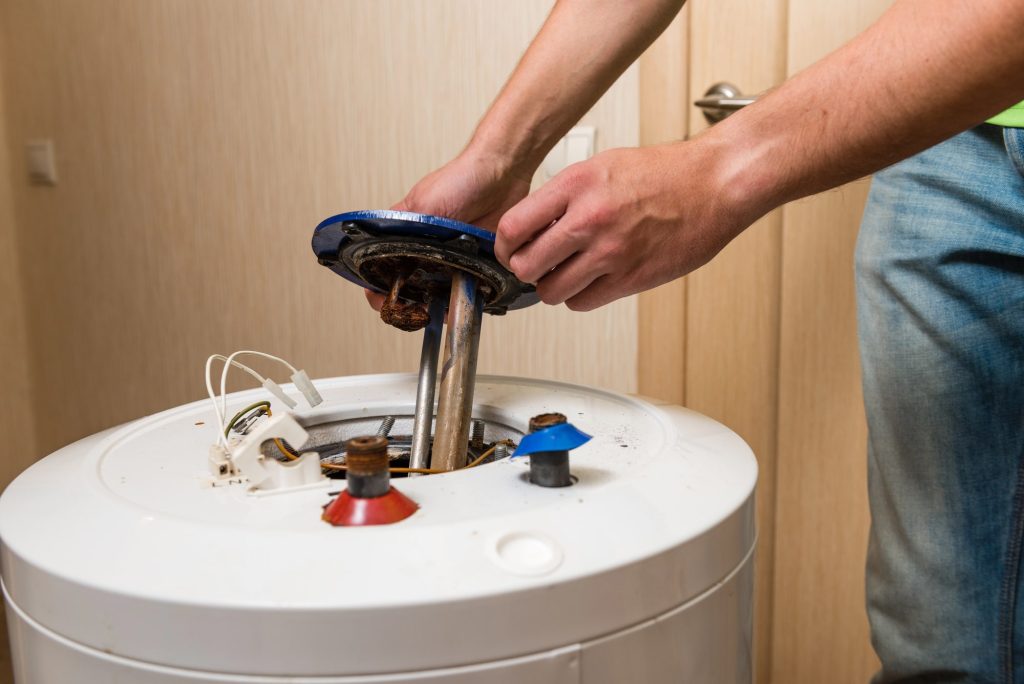
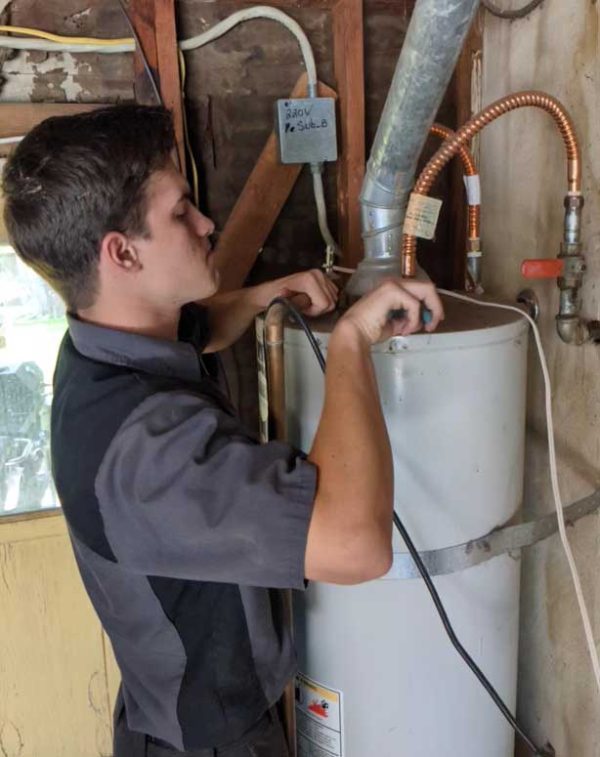
Water heater installation provides a household with a system for heating water used at taps, showers and appliances. It may involve replacing an existing unit or adding a system where one is needed. For readers exploring plumbing services in Baldwin Park, the first consideration is the purpose of the project: a change in household needs, a planned replacement, or a system that may be repairable. Information about water heater repair can help distinguish repair considerations from installation planning.
Before choosing the scope, gather details about the current setup and the hot-water demand it serves. Relevant factors can include the existing unit’s type and capacity, available space, fuel or power source, connections, venting requirements where applicable, and the number of people and fixtures relying on hot water. A qualified assessment of the property can help establish which options are feasible; no single system type or capacity suits every home.
Depending on the property’s condition, options may include replacing a similar unit or considering a different type or capacity. Space, existing connections, venting, and other site-specific requirements can affect the available choices and work involved. Plumbing conditions elsewhere may be separate concerns: drain cleaning, sewer line repair, and septic tank pumping & cleaning address different systems.
Explore related location pages for Plumbing in Baldwin Park, Plumbing in West Covina, and Plumbing in El Monte. The property’s actual configuration—not its city alone—determines which installation choices may be suitable.
Signs It May Be Time to Replace Your Water Heater
Changes in hot-water performance can be useful to note when considering a new water heater. Water that turns cool sooner than expected, fluctuating temperatures, or a change in how quickly it reheats are observations, not proof that the unit needs replacement. Possible explanations may involve the heater’s condition, capacity, settings, or another part of the system. A qualified assessment can help distinguish among them.
Also note visible moisture, corrosion, unusual sounds, or changes in the unit’s operation. A leak or new noise may warrant prompt assessment, but the observation alone does not identify its source. Avoid assuming that a replacement will address an issue elsewhere in the plumbing. If there is active leaking, record where and when it appears, and follow appropriate safety precautions.
For an installation assessment, useful details include the unit’s make and model if known, approximate age, fuel or power source, capacity, and any recent changes in household hot-water use. Describe which fixtures are affected, when symptoms occur, and whether they are consistent or intermittent. The assessment may need to consider the existing connections, available space, venting where applicable, and whether the current system’s capacity and type suit the household’s needs.
Clarify System Options and Installation Details
Typical water heater installation planning begins by clarifying the goal: replacing an existing unit, changing its type or capacity, or adding a system. Customers can ask what information would help compare options and whether repair may be worth considering before replacement. Details such as the current unit’s type and capacity, fuel or power source, and household hot-water use can help frame the discussion.
For a particular installation, a qualified provider may assess relevant conditions, which can include available space, existing connections, venting requirements where applicable, and access to the work area. Not every project needs the same checks. A change in system type or capacity, existing conditions, or limited access may affect the scope, equipment needs, and duration. Customers can ask what assumptions the estimate depends on, what could change the work, and what access should be kept clear.
Before work proceeds, the proposed scope can be reviewed, including the system being installed and any related work identified during assessment. Afterward, the provider can explain what was completed and any next steps or operating information to note. The details depend on the installation; this describes typical stages, not a guaranteed process or timeline from Baldwin Park Plumbing Solutions.
When to Seek Professional Installation Guidance
A professional assessment can be useful when the existing heater’s type, capacity, connections, or condition are unclear, or when a proposed replacement would change the system type or capacity. Space, fuel or power source, and venting requirements where applicable can affect what options are feasible. A household’s hot-water use also matters, so the unit’s specifications and actual needs should be considered together rather than choosing by size alone.
Before authorising work, ask who will assess the installation and carry it out, what relevant qualifications or credentials they hold, and whether those credentials apply to the proposed work. Request a clear description of the unit, removal and installation tasks, any changes to connections or venting, and work excluded from the scope. Ask what assumptions the estimate depends on and how additional work or cost changes will be discussed and approved.
Written terms should identify the agreed scope, responsibilities for equipment and disposal, payment arrangements, and how changes will be handled. Clarify who is responsible for any required checks or approvals rather than assuming they are included. Having these points documented before work begins helps both sides understand what has—and has not—been authorised.
Water Heater Installation FAQs
What should an installation quote include?
Ask for the proposed heater’s type and capacity, removal of the existing unit if applicable, installation tasks, and any changes to connections or venting. Confirm whether equipment, disposal, related work, and required checks or approvals are included or excluded. Scope and cost can depend on the existing setup and site conditions.
What information should I provide before discussing installation?
Share the current heater’s make, model, approximate age, type, capacity, and fuel or power source if known. Describe hot-water use, any performance changes, and whether you are considering a replacement or a different system. Photos of the unit and surrounding area may help clarify details, but do not replace an assessment.
Could installation disrupt access to parts of my home?
Work may require clear access to the heater, nearby connections, and the route for bringing equipment in and removing the old unit. The area affected depends on the heater’s location and installation scope. Before authorising work, ask which spaces need to be accessible and whether water or power interruptions are expected.
How can I decide between repairing my heater and replacing it?
A symptom alone does not establish that replacement is necessary. Ask for an assessment of the unit’s condition and whether repair could address the issue, considering its age, capacity, parts, and household needs. Compare the proposed repair scope with replacement options, including any installation changes, before deciding.
What should I confirm before authorising installation?
Confirm the exact equipment and work scope, exclusions, disposal responsibilities, and who will handle any required checks or approvals. Ask how unexpected conditions, added work, or cost changes will be explained and approved. Review written terms, payment arrangements, and any operating information or next steps to be provided after installation.
Questions about Water Heater Installation?
Describe what you have noticed and ask about the next steps for your property.
Call (626)-275-9536