At a glance
Explore Septic Tank Pumping & Cleaning in Baldwin Park: what the work may involve, signs to discuss and questions to ask before agreeing a scope.
Understand What Septic Tank Pumping Includes
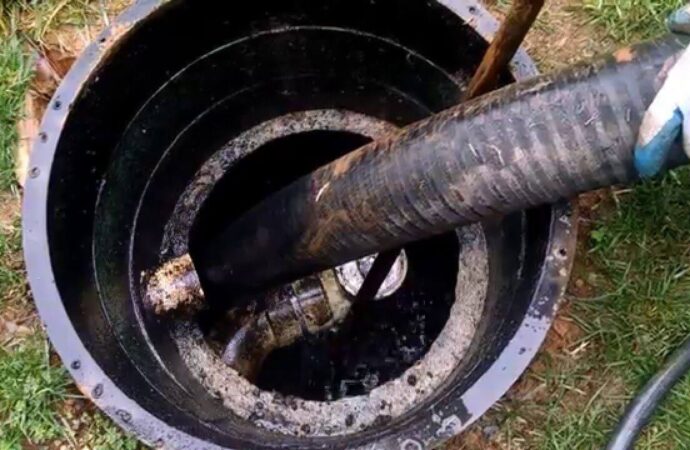
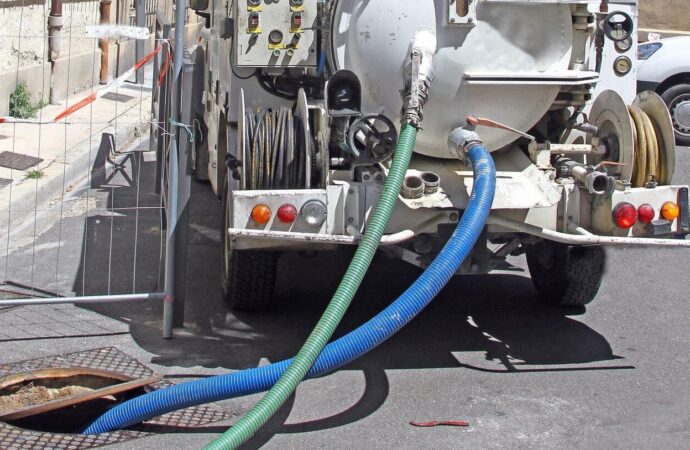
Septic tank pumping removes accumulated liquid and solids from a tank connected to an onsite wastewater system. Cleaning may involve additional attention to tank contents or components, depending on the system and its condition. For readers comparing information about plumbing services in Baldwin Park, the key point is that pumping and cleaning are maintenance tasks, not a substitute for diagnosing every drainage or sewer concern.
Before deciding on a scope, it helps to understand the tank’s type and capacity, its maintenance history, and what an inspection or service assessment finds. The amount of accumulated material and the condition of accessible components can affect whether pumping alone is appropriate or whether further evaluation is worth considering. A general description cannot determine the needs of a particular property.
Options depend on those findings. If an issue appears limited to accumulated tank contents, pumping may be the relevant service; if a component appears damaged or another system problem is suspected, additional assessment may be needed. A blockage in a household drain may call for drain cleaning, while a concern involving the sewer line may be separate from septic tank maintenance. Water-heating concerns are also distinct; see water heater repair or water heater installation.
For related location information, see Plumbing in Baldwin Park, Plumbing in West Covina, and Plumbing in El Monte. If the concern may involve a damaged sewer line rather than the tank, sewer line repair covers a different type of plumbing issue.
Signs That Septic Tank Pumping May Be Needed
Slow drainage at several fixtures, gurgling sounds, or wastewater backing up are observations worth noting, but none confirms that a septic tank needs pumping. A blockage in a household drain, a problem elsewhere in the system, or accumulated solids may produce overlapping symptoms. Record which fixtures are affected, when the change began, whether it is intermittent, and whether use of water appears to influence it. If wastewater is surfacing outdoors, note the location and extent without approaching or disturbing the area.
Changes in odour, wet ground near system components, or unusually lush growth may also be useful to report, though each can have more than one explanation. Share the tank’s known type and capacity, the date or approximate timing of its last pumping, maintenance records, and any recent changes in household water use. Assessment may need to consider the tank contents and accessible components, along with drains or other parts of the system, to distinguish routine pumping needs from a separate fault. Avoid treating a single symptom as a diagnosis; findings and system history help determine what attention may be appropriate.
Clarify Scope Before Septic Tank Service
A typical septic tank pumping and cleaning process begins by clarifying the request: is the aim routine maintenance, removal of accumulated contents, or help understanding a concern? Useful details to share include the system type and tank capacity, if known, its service history, and any records. You can ask what the proposed service includes and what it does not cover; pumping and cleaning may describe different levels of work.
Next, the provider carrying out the work determines what assessment is relevant. Depending on the system and the request, this may involve considering tank condition, accumulated material, accessible components, and access to the tank. Known tank location, cover access, site constraints, and findings can affect the scope, equipment required, access arrangements, and duration. Not every job requires the same checks or tools, and the details cannot be settled without information about the particular system.
Before work proceeds, ask the provider to explain the planned tasks, any exclusions, and what could prompt additional evaluation. Afterward, typical next steps may include reviewing what was completed, noting observations, and discussing whether further assessment or maintenance is appropriate. These are general stages, not a promise of a specific process or outcome by Baldwin Park Plumbing Solutions.
When to Seek Professional Septic Tank Help
Professional assessment can be useful when the tank type, capacity, service history, or condition is unclear, or when signs such as slow drainage could have several possible causes. A qualified assessment may help distinguish routine pumping from a concern involving another part of the system. Ask what information or inspection will inform the recommendation, and whether the proposed work is pumping, cleaning, checking accessible components, or a combination. If additional work may be recommended, ask how that decision will be explained before it proceeds.
Before choosing a provider, ask about relevant training, credentials, and experience with the type of system involved, and check any applicable requirements with the relevant authority rather than assuming a particular rule applies. Request a written scope that identifies the tasks, exclusions, access arrangements, disposal responsibilities, and any added charges or work requiring separate approval. Clarify who is responsible for each part of the job and what records or findings you will receive. Written terms help prevent misunderstandings about what has been authorised; avoid approving extra work until its purpose and cost are clear.
Septic Tank Pumping FAQs
What should a septic tank pumping quote specify?
Ask for the quoted scope in writing, including whether it covers pumping only or additional cleaning, any inspection of accessible components, and handling of removed material. Confirm exclusions, potential added charges, and whether further evaluation or repairs would require separate approval. Tank size, access, and observed condition can affect the scope and cost.
What information is useful when requesting septic tank service?
Share the tank’s type and capacity if known, its location, the date of the last pumping, maintenance records, and the concern prompting service. Describe affected fixtures, when symptoms started, and any changes in water use. These details can help clarify what assessment may be relevant, but they do not establish a diagnosis.
How can tank access affect pumping work?
Access to the tank cover, its location, and any site constraints may affect equipment needs, arrangements, and how long the work takes. Ask what must be accessible before the appointment and whether uncovering or restoring the area is included. Do not assume excavation, cover work, or landscaping is part of pumping unless the scope says so.
When might repair or replacement be considered instead of pumping?
Pumping addresses accumulated tank contents; it does not repair a damaged tank or other failed component. If assessment suggests damage or a separate system problem, ask what finding supports further work, what repair options exist, and whether replacement is being proposed. Request separate scopes and costs before authorising work beyond the pumping service.
What should I confirm before authorising the work?
Confirm the tasks, exclusions, access arrangements, disposal responsibilities, total quoted cost or how added charges are determined, and who will perform each part. Ask what would trigger extra work and require approval before it proceeds. Also clarify what records or findings you will receive after service, rather than assuming a particular inspection or report is included.
Questions about Septic Tank Pumping & Cleaning?
Describe what you have noticed and ask about the next steps for your property.
Call (626)-275-9536