At a glance
Explore Toilet Installation in Baldwin Park: what the work may involve, signs to discuss and questions to ask before agreeing a scope.
Toilet Fit, Connections, and Replacement Considerations
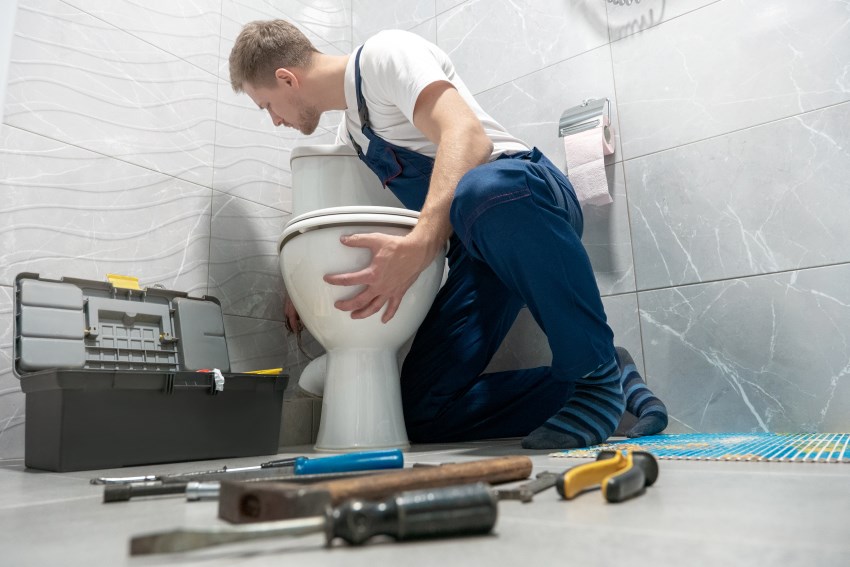
Toilet installation means fitting a new fixture in a bathroom and connecting it to the existing water supply and waste outlet. A replacement may involve removing the old toilet, while a new installation can require different preparation depending on the space and plumbing already in place. This overview from Baldwin Park Plumbing Solutions sits within its information about plumbing services in Baldwin Park; it explains planning considerations rather than confirming work at a particular property.
Before choosing the scope, identify whether the project is a like-for-like replacement or a change in fixture style or placement. The toilet’s dimensions, outlet configuration, water connection and available clearance can affect which models will fit. It also helps to consider whether the existing shutoff valve, supply connection, floor area and waste connection appear suitable for reuse. Their condition can only be assessed for the specific property.
Options depend on what is found. If existing connections and the fixture location are compatible, the work may be limited to replacing the toilet. If parts are worn, damaged or incompatible, repairs or changes to connections may be needed before installation; moving the fixture can expand the scope further. Drainage concerns may call for separate evaluation, such as drain cleaning or, when appropriate, sewer line repair. Other plumbing topics include water heater repair and water heater installation.
For related plumbing information, see Plumbing in Baldwin Park, Plumbing in West Covina and Plumbing in El Monte. These pages provide location-specific navigation, not confirmation of toilet installation coverage.
Planning Toilet Fit, Connections, and Timing
During toilet installation planning, note anything that has changed around the existing fixture: rocking or shifting, water appearing at the base, a supply line or shutoff valve that drips, repeated need to clear the bowl, or a flush that has become weak or inconsistent. These are observations, not diagnoses. A loose toilet, for example, may relate to its fastening or the surface beneath it, while water near the base could have more than one explanation. A slow or uneven flush may involve the toilet or drainage, so the symptom alone does not identify the cause.
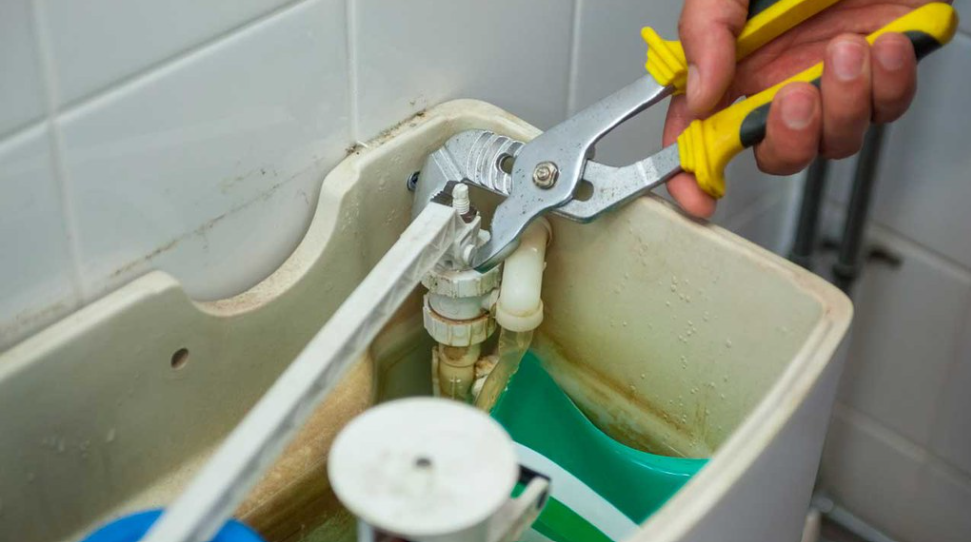
When discussing a replacement or maintenance, report when the change began, how often it occurs, whether it happens during or after flushing, and where moisture or noise appears. Mention any recent fixture changes, known repairs, persistent odors, or visible damage, and whether the toilet is moving. Assessment may include the fixture’s stability, the floor around its base, the supply connection and shutoff valve, the waste connection, and how the toilet flushes and drains. If choosing a new fixture, share the available space and whether you plan to keep the current location; fit and connection compatibility may affect the options. If water is actively escaping, limiting use and shutting off the toilet’s supply valve, if it can be done safely, may help reduce further leakage while the issue is assessed.
Toilet Installation: Clarify the Scope First
A typical toilet installation process begins by clarifying the goal: replacing an existing fixture, installing one in a new location, or choosing a different style. Customers can ask what measurements or fixture details are useful before selecting a model, whether the proposed toilet is compatible with the current setup, and whether removal of the old fixture is included in the discussion. The project’s purpose, preferred fixture and any known changes to the plumbing help shape the initial scope.
Next, the plumbing provider may assess relevant conditions for the specific job, such as access to the work area, the fixture’s fit, the water supply and shutoff, and the waste connection. Not every installation requires the same checks or equipment. Limited access, incompatible connections, damage found around the fixture, or a request to relocate it may change the work, access requirements or duration. Before proceeding, the customer can ask what is included, which items or changes are excluded, and what could require revising the scope.
After the scope is agreed, installation and any related work can be carried out as applicable. At the end, typical next steps may include reviewing the completed connections and flush, discussing any work that remains, and clarifying care or follow-up questions. The details depend on the conditions found and the agreed work; these general stages are not a promise that every project follows an identical process.
When to Seek Help With Toilet Installation
A qualified professional may be useful when the toilet’s outlet or water connection does not match the replacement, the fixture needs to move, access is restricted, or there are signs of damage around the base or floor. These conditions can change the work beyond a straightforward swap. If the toilet rocks, leaks, or flushes inconsistently, ask what the assessment can establish before assuming installation alone will address the issue.
Before authorising work, ask who will assess the setup and who will carry out the installation. Confirm relevant training, credentials or qualifications for the proposed work, and check whether any are required for your specific project. Request a clear breakdown of fixture removal, installation, connection changes, disposal and any additional repairs; ask how unexpected conditions would be discussed before extra work begins. Written terms should identify the agreed scope, responsibilities, costs, payment arrangements and any stated follow-up terms. Clarify who supplies the toilet and materials, who is responsible for protecting and tidying the work area, and how changes must be approved. A written agreement helps both sides understand what has—and has not—been authorised.
Toilet Installation FAQs
What should a toilet installation quote spell out?
Ask for separate details on the toilet and materials, removal of the existing fixture, installation, disposal, and any changes to the supply or waste connections. Confirm whether floor or plumbing repairs are excluded. Costs can depend on fixture choice, compatibility, access, and conditions found; request approval before added work begins.
What information should I provide before choosing a replacement toilet?
Share whether this is a direct replacement or a different fixture style or location, along with any model you are considering. Useful details include available space, visible connection concerns, leaks, instability, or flushing changes. Measurements, photos, and product specifications may help clarify fit, but they do not replace assessment of the actual setup.
Could toilet installation disrupt bathroom access?
Access needs and disruption depend on the work area, the existing connections, and whether removal or repairs are included. Ask which space must be clear, whether the bathroom will be unavailable during the agreed work, and how the old fixture and debris will be handled. Restricted access or unexpected damage may affect duration.
Should a faulty toilet be repaired or replaced?
A repair may be worth discussing when the issue is limited to a component and the fixture remains suitable. Replacement may be considered for damage, repeated problems, or a desired change in fixture, but symptoms alone do not establish the cause. Ask what inspection can determine and compare the proposed repair scope with replacement.
What should I confirm before authorising the installation?
Confirm the exact fixture, who supplies it, what removal and connection work are included, and which repairs are excluded. Ask how unexpected conditions, added costs, and changes to the plan will be presented for approval. Also clarify disposal, work-area responsibilities, payment terms, and any written follow-up terms before agreeing.
Questions about Toilet Installation?
Describe what you have noticed and ask about the next steps for your property.
Call (626)-275-9536