At a glance
Explore Sump Pump Replacement in Baldwin Park: what the work may involve, signs to discuss and questions to ask before agreeing a scope.
When to Replace a Sump Pump and What It Involves
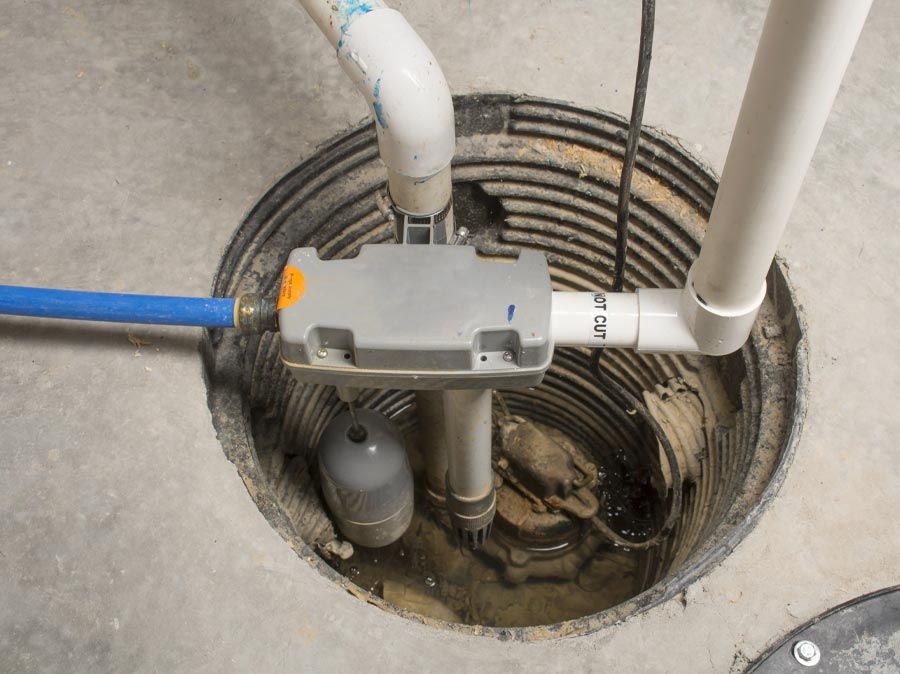
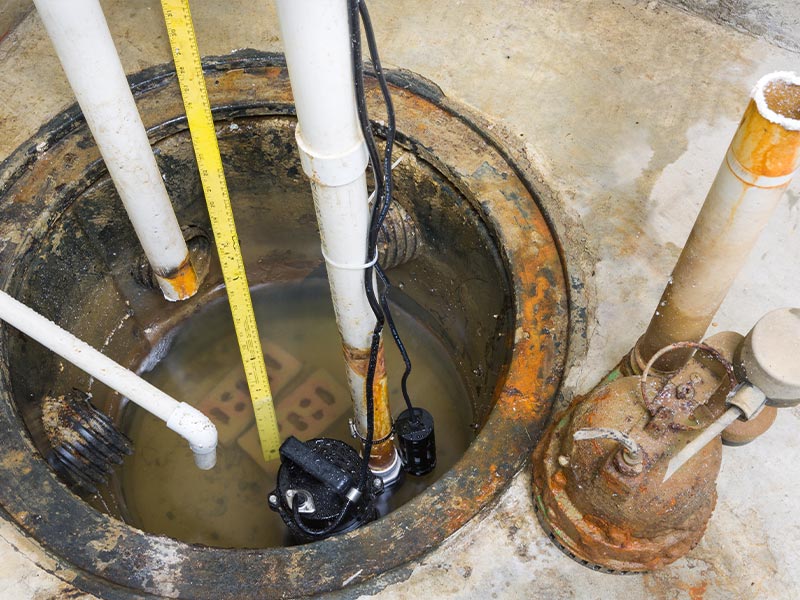
Sump pump replacement means removing an existing pump and fitting a replacement intended to move collected water away from a sump basin. The pump may be part of a property’s water-management setup, but the need and scope depend on how that system is arranged. This page offers general guidance for readers considering plumbing services in Baldwin Park; it does not establish a particular property’s condition or the availability of a specific service.
Before choosing a replacement, clarify the pump’s role, the basin’s dimensions, how water enters it, and where the discharge line leads. The existing pump’s type and capacity can help frame the comparison, but those details alone may not show whether other components are suitable. A replacement decision should account for the actual setup rather than assume that a similar-looking pump will fit or perform as needed.
Depending on the property, options may include replacing only the pump or addressing related parts of the setup, such as the basin, discharge arrangement, or backup provisions. Those choices depend on the condition and compatibility of the existing components. If water movement appears connected to a separate plumbing concern, topics such as drain cleaning or sewer line repair are distinct; water heater repair and water heater installation concern another system.
For related location information, see Plumbing in Baldwin Park, Plumbing in West Covina, and Plumbing in El Monte. These pages do not establish that sump pump replacement is available at any particular address.
Signs and Planning for Pump Replacement
A pump that runs without clearing the basin, cycles repeatedly, makes a new noise, or fails to start is showing a change in operation—not proof that the pump itself needs replacement. A tripped power supply, stuck float, blocked intake or discharge, or another component may produce similar signs. Water remaining in the basin or appearing nearby is also an observation; its cause may involve the pump, the discharge route, or water entering faster than the system can move it.
When describing the issue, note what the pump does and when: whether it starts, how long it runs, how often it cycles, and whether the behavior changes as water rises. Share any visible leaks, unusual sounds, power interruptions, prior repairs, and the pump’s make or model if known. Photos of the pump, basin, and accessible discharge connection may help explain the arrangement; avoid reaching into standing water or handling electrical parts.
Assessment may include the pump’s age and condition, float and check-valve operation, power supply, basin fit, and discharge line condition and destination. If replacement is being planned, confirm that a proposed pump is compatible with the basin and the system’s requirements; a symptom alone cannot establish the needed size or scope.
Clarify Pump Fit and Replacement Scope
A typical sump pump replacement process begins by clarifying what is prompting the change and what the pump serves. You can ask whether the reported behavior suggests a pump fault or could involve another component, and what information would help distinguish those possibilities. Sharing the pump’s make or model, if known, and describing its setup can help frame the discussion; a replacement decision depends on the particular system, not symptoms alone.
If assessment is appropriate, the plumbing professional may consider relevant conditions such as the pump’s fit with the basin, accessible connections, discharge arrangement, and condition of related parts. Not every replacement requires the same checks or additional work. Access constraints, the existing setup, or a need to address related components may change the proposed scope and how long the work takes, so ask what could affect access or duration before proceeding.
Before work begins, the scope can identify what is included, what is excluded, and any choices that remain open. Afterward, ask what was changed, whether any concerns remain, and what next steps are recommended. The details depend on the assessment and agreed work; this page describes typical stages, not a promise of a particular inspection, replacement method, or outcome.
When to Seek Help Replacing Your Sump Pump
Professional assessment can be useful when the pump’s symptoms have more than one possible cause, the basin or discharge setup is difficult to evaluate, or the proposed replacement may involve related components. A pump that runs often, makes an unfamiliar sound, or leaves water in the basin does not by itself prove the pump must be replaced. Ask what the assessment will cover, how the proposed pump is matched to the basin and system, and whether the work includes checking the float, check valve, power connection, or discharge route.
Before authorising work, ask who will carry it out and what relevant training, credentials, or experience they can describe for this type of job. Confirm the written scope, including the equipment and parts, removal and disposal of the old pump, any excluded work, and how additional findings or costs would be discussed and approved. Request the price and payment terms in writing, along with any stated limits on the work. Clear terms help distinguish the agreed replacement from optional or unforeseen work and leave responsibilities understood before work begins.
Sump Pump Replacement FAQs
What should a sump pump replacement quote spell out?
Ask for the proposed pump and included parts, removal and disposal of the old unit, and any work on the basin, check valve, discharge line, or electrical connection. Confirm exclusions and how additional findings or costs will be presented for approval. Price can vary with equipment choice, access, and related repairs.
What information can help clarify the replacement scope?
Share the pump’s make and model if known, its symptoms and when they occur, and any prior repairs or power interruptions. Photos of the pump, basin, and visible discharge connection may help explain the setup. Mention access limitations and whether water is present; do not handle electrical parts or reach into standing water.
Could replacing the pump disrupt the surrounding area?
Access to the basin and nearby connections may affect how much space needs to be cleared. Ask whether the work could involve moving stored items, opening an access area, or handling water in the basin, and what protection or cleanup is included. The setup and any related repairs can affect the work involved and its duration.
How can I tell if repair is worth considering instead?
A pump that fails to start or clear water may have a problem with its power supply, float, intake, discharge, or another component—not necessarily the pump itself. Ask what checks support replacement rather than repair, and whether the identified issue can be addressed separately. Symptoms alone cannot establish which option fits the system.
What should I confirm before authorising replacement?
Review the written scope, pump compatibility, included and excluded parts, price and payment terms, and how any added work will be approved. Ask who will perform the work and what credentials or relevant experience they can describe. Confirm what will be tested afterward and whether any concerns or recommended next steps will be reported.
Questions about Sump Pump Replacement?
Describe what you have noticed and ask about the next steps for your property.
Call (626)-275-9536