At a glance
Explore Drain Cleaning in Baldwin Park: what the work may involve, signs to discuss and questions to ask before agreeing a scope.
What Drain Cleaning May Involve and When It Helps
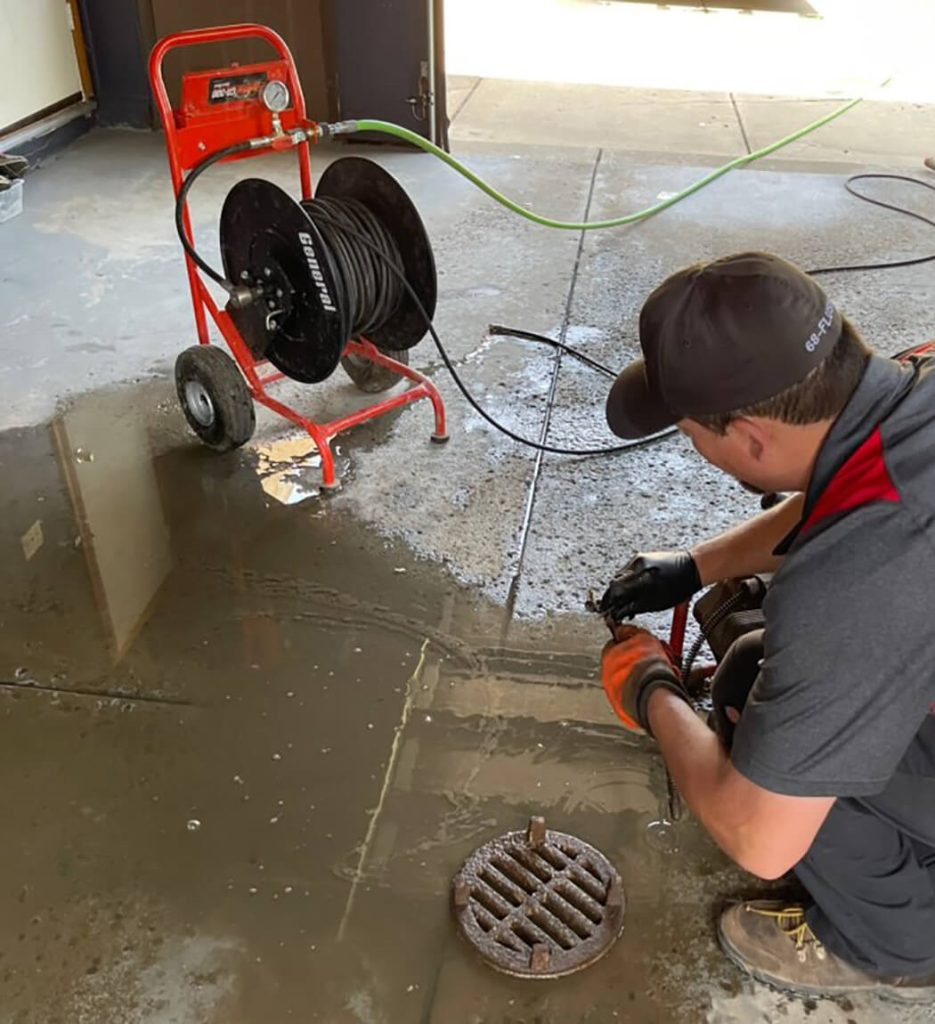
Drain cleaning is intended to clear material restricting water flow through a drain or connected pipe. The appropriate scope depends on where the obstruction is and whether it is limited to one fixture or affects a shared branch or the main drain. This overview of plumbing services in Baldwin Park explains how drain cleaning fits within residential plumbing care without assuming every blockage has the same cause or remedy.
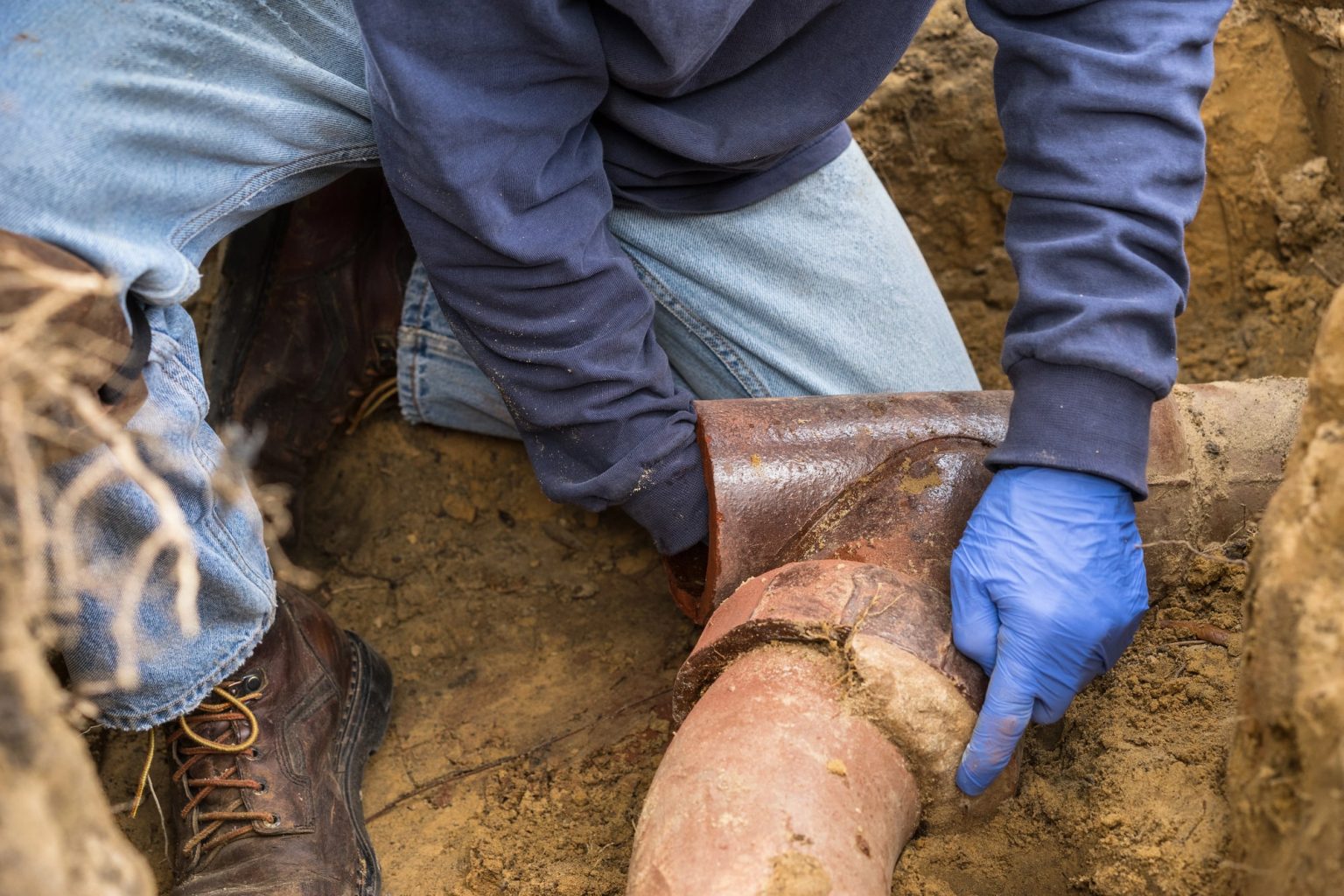
Before deciding what work may be needed, it helps to understand which fixture or fixtures are affected, how the plumbing connects, and whether the issue appears confined to the drain or may involve the sewer line. The pipe’s layout, condition, and access can also affect which approaches are suitable. If a problem points beyond a local drain, sewer line repair may be a separate topic to consider.
Options can vary with the obstruction and the pipe’s condition. A simple blockage may call for a limited clearing approach; recurring or deeper restrictions may warrant further assessment before choosing a method. More aggressive equipment or cleaning methods are not automatically appropriate for every pipe. The choice should account for the possibility of damage and whether the cause has been identified. Drain cleaning is distinct from septic tank pumping & cleaning, and it is unrelated to water heater repair or water heater installation.
For related location information, see Plumbing in Baldwin Park, Plumbing in West Covina, and Plumbing in El Monte. These pages provide additional context; the suitable drain-cleaning scope still depends on the individual property’s plumbing and the condition of the affected piping.
Signs a Drain May Need Attention
Notice how the drain behaves and whether the change is isolated. Slower emptying at one sink or shower may indicate a restriction nearby, but it does not identify the material or its location. If several fixtures drain slowly, gurgle, or cause water to rise elsewhere, the issue could involve a connected pipe or a larger part of the drainage system. Those signs can have different explanations, so they are useful clues rather than a diagnosis.
When describing the problem, note which fixtures are affected, when the change began, whether it is constant or intermittent, and if it followed a particular use or event. Mention any recurring blockage, unusual sound, odor, or backup, and whether plunging or another measure changed the symptoms. Avoid adding drain products or using forceful methods if the pipe material or condition is uncertain.
Assessment may need to establish where the restriction lies, what may be contributing to it, and whether the accessible drain, a shared branch, or a sewer line is involved. The pipe’s condition and layout can affect which cleaning method is appropriate; repeated symptoms may warrant looking beyond the immediate fixture rather than treating each episode as a separate clog.
Clarify the Drain Issue Before Work Begins
A typical drain-cleaning process starts by clarifying what you have noticed: which fixture is affected, when the problem began, whether it recurs, and what steps have already been tried. You can ask what information would help determine the likely scope and whether the issue may be limited to one drain or connected piping. These details guide discussion; they do not establish a diagnosis on their own.
If assessment is appropriate, the provider may consider the affected drain, pipe layout and condition, and available access. The checks and methods can differ: a localized blockage may need a narrower approach, while signs of a restriction farther along the system could change the scope. Ask what access may be needed, what method is being considered, and what factors could affect the work or its duration. Additional investigation, limited access, or a concern about pipe condition may alter the proposed scope.
Before work proceeds, a typical next step is to review the proposed task and any limits or possible changes with the provider. Afterward, you can ask what was addressed, whether the result was checked, and what next steps may be appropriate if the drainage issue remains or returns. The specific process depends on the plumbing and findings for that job.
When to Seek Professional Drain Cleaning Help
Professional assessment can be useful when a blockage keeps returning, affects multiple fixtures, or may extend beyond an accessible drain. The cause and location can be uncertain, and pipe condition, layout, and access may influence which cleaning method is appropriate. A single slow drain does not automatically mean a larger problem, but persistent or spreading symptoms are reasonable grounds to ask for an evaluation.
Before authorizing work, ask what the assessment covers, how the proposed scope relates to the symptoms, what method is being considered, and whether additional investigation or work might be proposed. Ask about relevant training, credentials, or experience for the specific task, and how you can verify any claims. Clarify what is included, what is excluded, how changes or extra charges would be discussed, and what happens if the drain remains restricted after the proposed work.
Have responsibilities and terms set out in writing before work begins: who will perform and supervise the work, what access or preparation is expected from you, and how payment and any follow-up will be handled. Review the document and resolve unclear points before giving authorization; this helps both sides understand the agreed scope without assuming a particular outcome.
Drain Cleaning FAQs
What should a drain-cleaning quote specify?
Ask which drain or pipe section the quote covers, what cleaning method is proposed, and whether assessment, testing, or access work is included. Confirm exclusions, how added work or charges would be discussed, and whether a separate repair would require a new estimate. Cost depends on the blockage, pipe condition, method, and access.
What details should I provide before discussing a drain cleaning?
Describe which fixtures are affected, when the symptoms began, whether they recur, and what you have already tried. Mention changes such as gurgling, backups, or water appearing at another fixture. This information can help frame the discussion, but the cause and scope may still require assessment.
Could drain cleaning require access that disrupts the home?
Possibly. The access needed depends on where the restriction is, the pipe layout, and the cleaning method. Ask which access points may be used, whether fixtures or nearby areas need preparation, and what cleanup is included. Confirm any expected disruption before authorizing the proposed work.
When might a drain problem call for repair instead of cleaning?
Cleaning may remove a restriction, but it may not address a damaged or otherwise compromised pipe. Recurring symptoms or concerns found during assessment could prompt a repair recommendation. Ask what evidence supports that recommendation, what cleaning can and cannot resolve, and whether repair is optional or needed before further use.
What should I confirm before authorizing drain-cleaning work?
Review the task, method, price and payment terms, exclusions, access needs, and how changes to scope will be approved. Ask what result will be checked and what options apply if the drain remains restricted. Confirm who will perform the work and that the written terms match your understanding before proceeding.
Questions about Drain Cleaning?
Describe what you have noticed and ask about the next steps for your property.
Call (626)-275-9536