At a glance
Explore Tankless Water Heater Replacement in Baldwin Park: what the work may involve, signs to discuss and questions to ask before agreeing a scope.
Key Factors in Planning a Tankless Heater Replacement
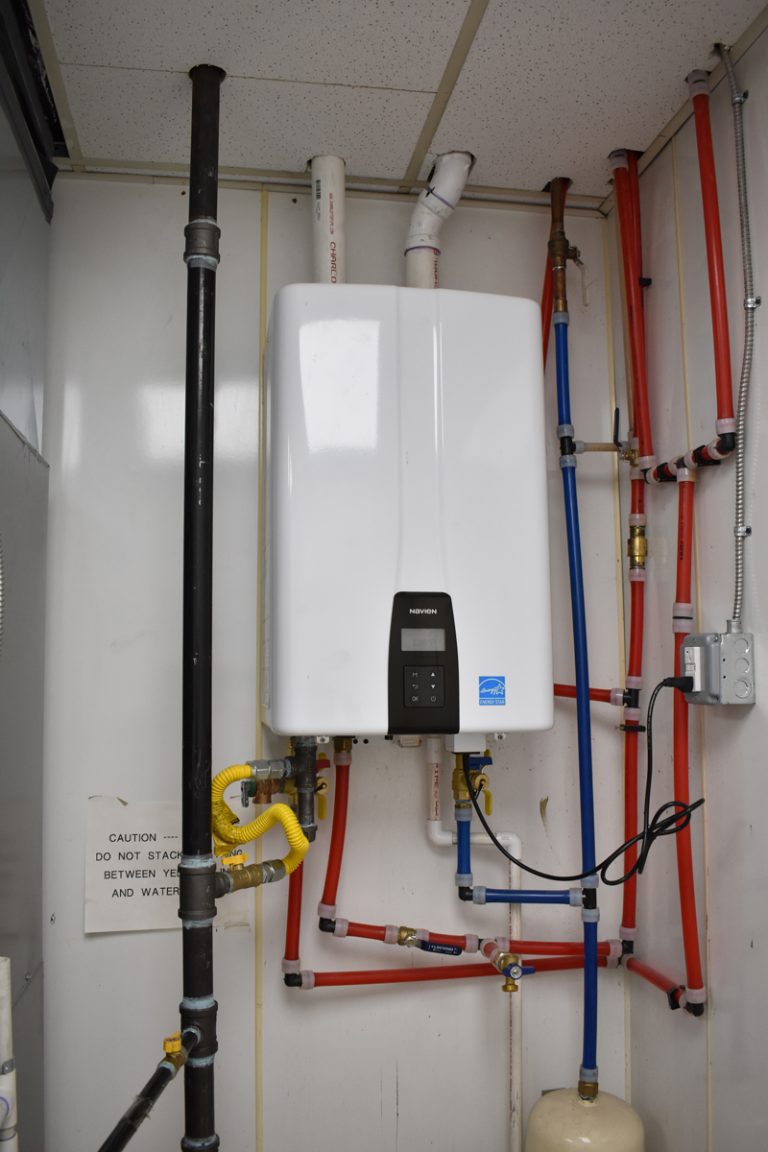
Tankless water heater replacement means removing an existing unit and choosing a suitable tankless model to provide hot water in its place. The purpose may be to replace equipment that is no longer appropriate to keep, or to select a different capacity or configuration. For an overview of plumbing services in Baldwin Park, explore the available service information before deciding what the replacement should include.
Start by clarifying the goal and the existing setup: the unit’s model and capacity, how it is powered, its connections, and where it is installed. The number of people using hot water and how many fixtures may run at once can help frame capacity needs. A replacement may be a similar unit, a different tankless model, or a broader change in equipment; the property’s existing connections and installation conditions affect which options are practical.
Replacement is not the only possible scope. If the current unit may be repairable, compare the question with water heater repair. If changing equipment or moving from another type of heater, review water heater installation as a related service. Plumbing work beyond the heater is a separate matter; drain cleaning and sewer line repair address different systems.
For area information, see Plumbing in Baldwin Park, Plumbing in West Covina, or Plumbing in El Monte. These pages provide location context, while the replacement scope depends on the particular property and heater configuration.
Tankless Heater Replacement Considerations
When planning a tankless water heater replacement, note changes in how the existing unit performs rather than assuming they point to one specific fault. Hot water that fluctuates, takes longer to arrive, or is insufficient when several fixtures run may be relevant observations. So may repeated shutdowns, unusual sounds, error messages, visible corrosion, or moisture near the unit. Each can have different explanations, and some may indicate an issue that should be assessed before selecting replacement equipment.
Record when the change began, how often it occurs, whether it affects every fixture or only some, and what else is running at the time. If available, share the heater’s make, model, fuel or power source, age, service history, and any displayed error code. Mention prior repairs or changes to hot-water use, too. These details can help clarify whether the concern relates to the unit, its capacity, connections, venting or other installation conditions.
Before replacement, the existing heater and setup may need assessment to determine the appropriate unit and whether associated connections or other components require attention. If there is active leaking, a gas odor, or a carbon-monoxide alarm, follow relevant safety guidance and seek appropriate urgent assistance; do not rely on a symptom description alone to determine the cause.
Clarify the Existing Setup Before Replacement
A typical replacement process starts by clarifying the reason for changing the tankless heater and what the customer hopes the new unit will address. Useful questions include whether the replacement should retain the existing configuration, what hot-water demand it must serve, and whether the current unit’s make, model, and power source are known. These details help frame the discussion, but do not determine the final equipment or scope on their own.
Next, the provider carrying out the work may assess relevant conditions, depending on the job. This could include the heater’s location, access for removal and installation, existing connections, and compatibility with a proposed replacement. If connections need changes, access is restricted, or the customer wants a different capacity or configuration, the work may require a broader scope and take a different amount of time. Ask what assumptions the proposed scope depends on and what could change it.
Before work proceeds, the scope can be reviewed: which equipment is included, what associated changes are proposed, and what is excluded. After replacement, ask what was changed, whether any items remain to be addressed, and what next steps or operating guidance apply. The specific checks and sequence vary with the existing setup; these are typical stages, not a promise that every job follows the same process.
When to Seek Help Replacing a Tankless Heater
A professional assessment is useful when the existing heater’s condition is unclear, the proposed replacement differs in capacity or configuration, or the connections and installation conditions may need changes. Those details can affect equipment suitability and the work involved. If the issue might be repairable, ask how the assessor distinguishes repair from replacement and what information supports the recommendation.
Before choosing who will assess or perform the work, ask about their relevant training and experience with tankless heater replacements, and check any credentials that apply to the work. Request a written scope identifying the proposed unit, removal and installation tasks, related connection changes, exclusions, and any assumptions. Ask how additional work would be identified and approved, and whether permits or inspections may apply to this particular project.
Make responsibilities clear before authorizing work: who supplies the equipment, handles removal and disposal, coordinates any required approvals, and completes or checks each part of the job. Written terms should also state the price or how charges are determined, payment terms, and what happens if conditions differ from expectations. Clear documentation helps prevent misunderstandings without assuming every replacement has the same scope.
Tankless Replacement FAQs
What should a replacement quote include beyond the new heater?
Ask whether the quote covers removing and disposing of the old unit, installation, changes to connections or venting, and any required testing or approvals. Confirm what is excluded and what assumptions the price depends on. Equipment choice, access, and the condition of existing components can affect the scope and cost.
What information should I share before discussing a replacement?
Provide the current heater’s make, model, age, capacity, and power source if known. Describe the symptoms, when they occur, and whether hot-water demand has changed. Photos of the unit label and installation area may help frame the discussion, but they do not replace an assessment of the setup.
Can the existing tankless heater be repaired instead of replaced?
Possibly; the answer depends on the fault, the heater’s condition, and whether parts or repairs are appropriate. Ask what findings support replacement rather than repair, and request the repair scope and cost basis for comparison. A symptom alone does not establish that the unit needs replacing.
What access or disruption should I plan for?
Clear a path to the heater and nearby work area, and ask which spaces need access. The amount of disruption depends on the unit’s location, removal route, and whether connections or surrounding materials must be changed. Confirm how water or power will be handled during the work and what areas may be affected.
What should I confirm before authorizing replacement?
Get the proposed unit and full work scope in writing, including exclusions, removal and disposal responsibilities, and how added work will be priced and approved. Confirm who supplies equipment, whether permits or inspections may apply, and what checks or operating instructions are included once installation is complete.
Questions about Tankless Water Heater Replacement?
Describe what you have noticed and ask about the next steps for your property.
Call (626)-275-9536