At a glance
Explore Gas Water Heater Replacement in Baldwin Park: what the work may involve, signs to discuss and questions to ask before agreeing a scope.
Compare Repair With Gas Water Heater Replacement
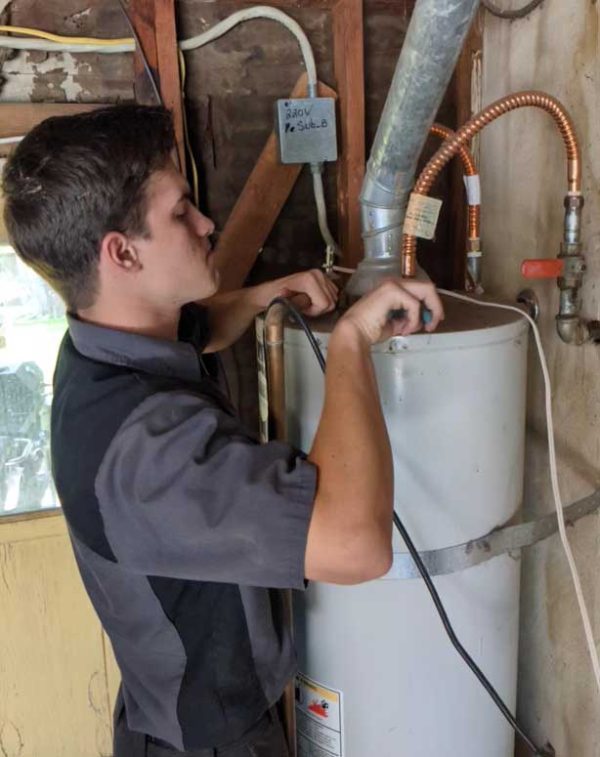
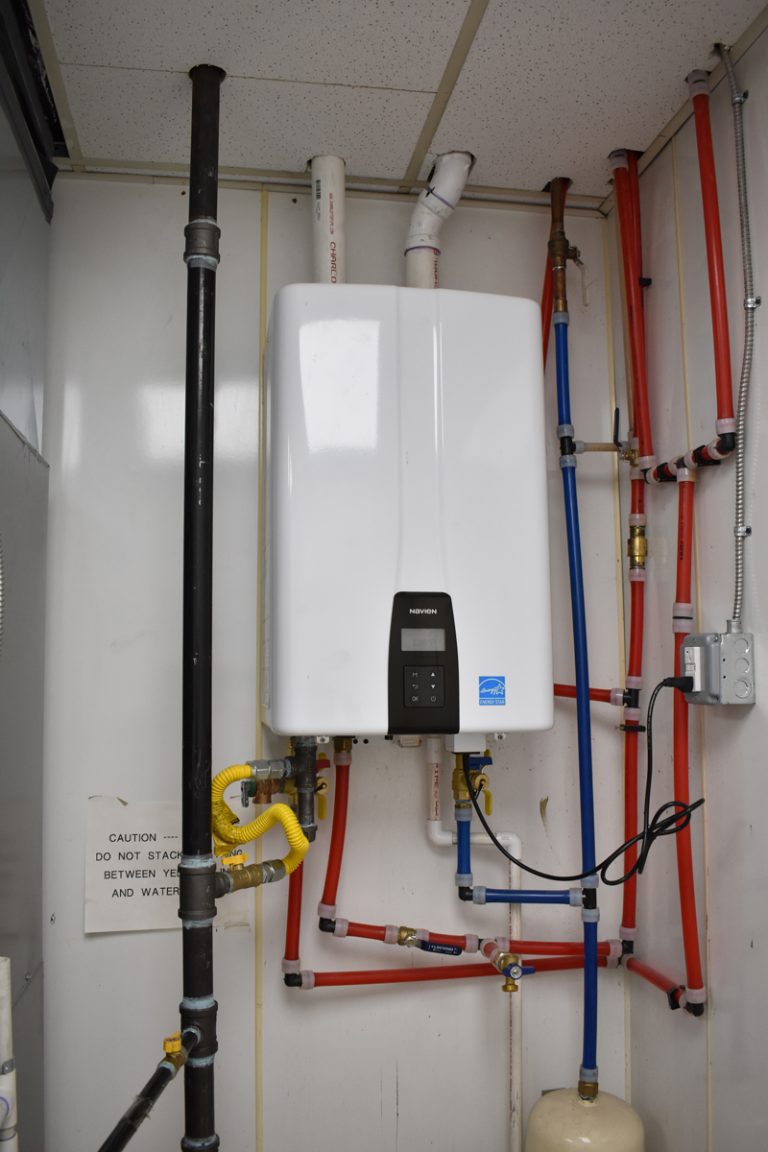
Gas water heater replacement means removing an existing gas-fired unit and selecting a new one to provide hot water for the property. The decision can involve more than the heater itself: the existing setup, available space, connections and household demand may affect what scope is appropriate. This overview complements our plumbing services in Baldwin Park information, without assuming that every property needs the same replacement plan.
Before comparing options, clarify whether the current heater can still be repaired, what capacity is suitable for typical hot-water use, and whether the existing installation can accommodate the model being considered. A repair may be worth exploring if the unit remains serviceable; water heater repair covers that alternative. If replacement is the direction, water heater installation explains the related service category. The appropriate scope depends on the unit and property's condition, which cannot be determined from a general description alone.
Choices may include a replacement gas model with a different capacity or configuration, but compatibility depends on the existing space and connections. Any required changes to the surrounding plumbing or venting also depend on the actual setup. Drain or sewer concerns are separate matters; see drain cleaning and sewer line repair for those services rather than assuming they are part of heater replacement.
For location-specific service information, see Plumbing in Baldwin Park, Plumbing in West Covina, or Plumbing in El Monte. These pages provide location context; the property's condition and existing system determine which replacement options may fit.
Signs It May Be Time to Replace a Gas Water Heater
During replacement planning, note changes in the heater’s performance rather than assuming they identify a specific fault. Hot water that runs out sooner than expected, takes longer to recover, or varies in temperature may be a reason to assess the unit and household demand. Water around the base, visible corrosion, unusual noises, or a change in the burner’s appearance are also observations worth reporting; each can have more than one explanation, and not every sign means replacement is necessary.
Share when the change began, whether it is steady or intermittent, how many people or hot-water uses the system serves, and any repair or maintenance history you know. If there is a leak, describe its location and whether it continues; avoid touching gas connections or attempting internal repairs. Assessment may include the heater’s condition, age if known, capacity, connections, venting, available space, and whether the existing setup suits a replacement model. These details can help distinguish a repair concern from a replacement-planning issue.
Clarify the Existing Setup Before Replacement
Typical gas water heater replacement planning begins with clarifying the reason for considering a new unit and what the household needs from it. You can ask whether repair may be an alternative, what capacity or type of replacement might suit your usage, and which details would help compare options. Information about the current heater, its known repair history, and changes in household hot-water use can help frame the discussion.
If assessment is appropriate, a plumbing provider may review the existing heater and relevant conditions, such as its configuration, available space, connections, venting, and access for removal and installation. Not every job requires the same checks or changes. The unit selected, compatibility with the existing setup, access constraints, or the need for additional plumbing or venting work may affect the proposed scope and how long the work takes; duration depends on the conditions found.
Before proceeding, ask what removal and replacement include, whether any related changes are proposed, and what is excluded from the scope. The provider carrying out the work can explain the agreed plan and, after the work, review what was completed and any relevant next steps. These are typical stages, not a guarantee that every replacement follows the same sequence.
When to Seek Help Replacing a Gas Water Heater
A qualified professional can assess a gas water heater replacement when the existing unit’s condition, capacity needs, connections, venting, available space, or access make the scope uncertain. These details may affect whether repair remains an option, which replacement models could fit, and whether related plumbing or venting work is proposed. A symptom alone does not establish that replacement is necessary, so ask what the assessment found and how it supports the recommendation.
Before authorising work, ask who will perform and oversee it, what relevant qualifications apply to the gas-appliance and plumbing work, and how those credentials can be checked. Clarify which heater, removal and installation tasks are included, whether changes to connections or venting are proposed, and what is excluded. Request written terms covering the agreed scope, any separately priced or conditional work, and how changes will be approved. Clear responsibilities and documentation help you compare proposals and understand what you are agreeing to before work begins.
Gas Water Heater Replacement FAQs
What should a replacement quote specify?
Ask for the proposed heater and capacity, removal and disposal of the old unit, installation tasks, and any changes to connections or venting. Confirm which materials and related work are included or excluded, and how additional work would be discussed and approved. Cost depends on equipment choice, compatibility, access, and scope.
What information helps compare repair with replacement?
Share the heater’s make or model if known, approximate age, symptoms, repair history, and how household hot-water use has changed. Ask what the assessment indicates about repairability, capacity, and compatibility with a replacement. A symptom alone does not establish that replacement is necessary, and the unit’s condition can affect the recommendation.
Could access or removal affect the work?
It may. Mention obstacles to reaching the heater, limited working space, or items that may need to be moved, and ask what access the installer requires. The removal path, existing setup, and any needed changes can affect the work plan and duration. Confirm who handles clearing the area and any resulting disruption.
What should I confirm before authorising replacement?
Confirm the exact model or selection criteria, written scope, exclusions, and who will perform and oversee the work. Ask which qualifications apply to the gas-appliance and plumbing tasks and how to verify them. Clarify how proposed changes, unexpected conditions, and any added charges will be communicated and approved before work proceeds.
Questions about Gas Water Heater Replacement?
Describe what you have noticed and ask about the next steps for your property.
Call (626)-275-9536