At a glance
Explore Slab Leak Repair in Baldwin Park: what the work may involve, signs to discuss and questions to ask before agreeing a scope.
Understanding Slab Leak Assessment and Repair Options
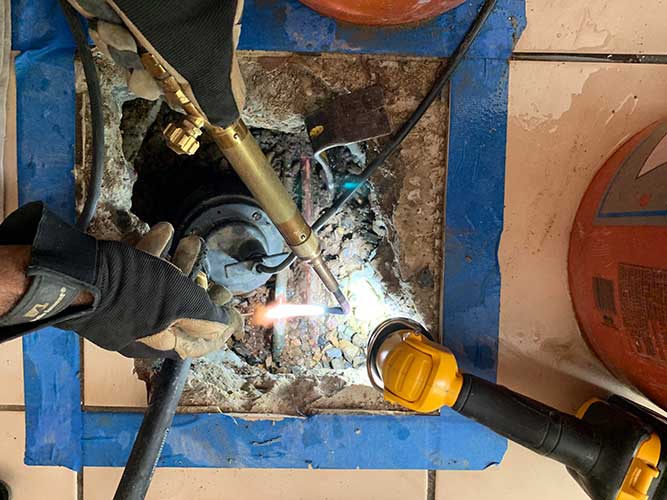
Slab leak repair addresses a water line leak located beneath a building’s concrete foundation. The purpose is to identify the affected plumbing and consider a repair that limits ongoing water loss and damage while accounting for the structure. This page explains the service in Baldwin Park; explore plumbing services in Baldwin Park for other plumbing topics.
Before defining the repair scope, the source of the water and the affected pipe section need to be understood. A leak beneath a slab may require a different response from a leak in an accessible line, and signs of moisture alone do not establish the cause. The assessment should clarify which line is involved, how much of it is affected, and whether the surrounding floor or other components may influence access and repair choices.
Depending on the findings and property condition, options may include accessing and repairing a specific section, rerouting a line, or addressing a broader pipe concern. No single approach suits every property; the condition and layout of the plumbing help determine what is practical. For related topics, see water heater repair, drain cleaning, sewer line repair, and water heater installation.
For additional location pages, visit Plumbing in Baldwin Park, Plumbing in West Covina, or Plumbing in El Monte. These pages provide broader plumbing information; the appropriate slab leak scope depends on the individual property’s findings.
Signs That May Prompt Slab Leak Assessment
A warm or damp patch on a floor, unexplained moisture near a wall, or a water bill that rises without an obvious change in use can be worth documenting. These observations do not confirm a leak beneath the slab: a fixture, supply line elsewhere, drainage issue, or another source could produce similar signs. Note when the change began, whether it comes and goes, and which rooms or floor areas are affected.
Other clues may include the sound of running water when fixtures are off, reduced water pressure, or a floor surface that seems newly warm or damp. Each has several possible explanations, so avoid treating any one symptom as a diagnosis. If water is spreading or causing damage, limit exposure where practical and seek appropriate plumbing guidance.
Useful details to share include recent water-use changes, meter movement when water is not being used, visible moisture, and any prior plumbing work or repairs. Assessment may involve checking the water system and considering whether the source is a pressurized line, a drain, or another component. The findings help determine whether the slab is involved and what further inspection may be needed.
Clarify Access, Findings, and Repair Options
Typical slab leak repair begins with clarifying what has been noticed and what information is available, such as when moisture appeared, which area is affected, and whether water use or plumbing work has changed. A customer can ask what details would help distinguish a leak beneath the slab from another source, and what information is still uncertain. These initial details guide discussion; they do not establish a diagnosis.
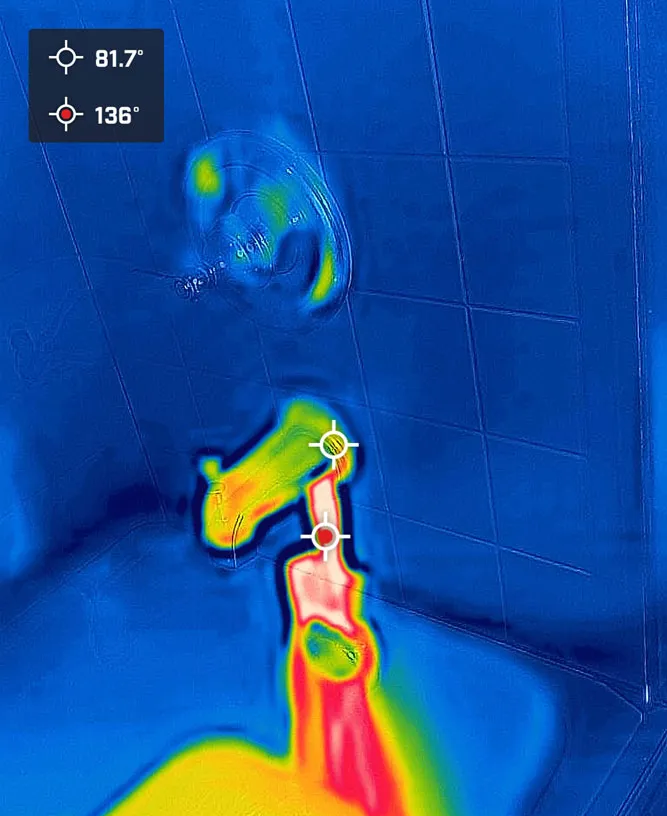
If assessment is appropriate, the plumbing provider may consider the suspected line, available access, and the building conditions relevant to locating and reaching the affected section. The checks and equipment can vary with the situation; not every case requires the same methods or opening the same areas. Findings may change the proposed scope, access needs, and duration, especially if the leak’s location or extent is unclear or access is limited.
Before work proceeds, typical next steps include discussing the proposed repair, what areas may need to be opened, and any alternatives identified from the findings. Customers can ask what is included, what could expand the scope, and how the work will be reviewed afterward. Once repair is complete, the provider can explain the work performed and any remaining steps or observations to monitor; the exact review depends on the repair and findings.
When to Seek Professional Slab Leak Help
A qualified plumbing professional can help assess a suspected slab leak when the water source is uncertain, signs could have several explanations, or locating the affected line may require specialized diagnostic methods. The repair approach can also depend on the leak’s position and extent, access beneath the floor, and whether opening one area or rerouting piping is being considered. Ask what evidence supports the diagnosis, what remains uncertain, and what additional assessment is proposed before agreeing to a repair.
Discuss the proposed scope in practical terms: which line and area are involved, what access or restoration work is included, what could change the scope, and how completion will be checked. Ask about the worker’s relevant training or qualifications for leak detection and the proposed repair, and verify any credentials that matter to you. Before authorizing work, make sure responsibilities are clear, including who performs each part and who handles any agreed follow-up. Get the price, exclusions, changes requiring approval, and other terms in writing; clear documentation helps prevent different expectations about the work.
Slab Leak Repair FAQs
What should a slab leak repair quote spell out?
Ask for the suspected leak location, the proposed repair method, and the work included in the quoted price. Clarify whether detection, concrete access, pipe repair or rerouting, and floor or finish restoration are included or excluded. Cost can depend on access, leak extent, materials, and restoration scope.
What information should I provide before discussing a quote?
Share when the signs began, where moisture or other changes appear, and whether you noticed changes in water use, meter movement, or pressure. Mention prior plumbing work or repairs and any steps already taken. These details can guide discussion, but they do not confirm the leak’s source or location.
Could repair require opening the floor?
It may, depending on where the leak is found and which repair method is proposed. Ask which areas might be opened, how the access location will be chosen, and whether concrete removal and finish restoration are part of the scope. Access needs and site conditions can affect both cost and duration.
How is a focused repair compared with rerouting or broader pipe work?
A localized repair may be considered when findings point to a specific affected section. Rerouting or broader work may be discussed if the pipe’s condition or repair access supports another approach. Ask what findings support each option, the scope and disruption involved, and what uncertainties remain before choosing.
What should I confirm before authorizing slab leak work?
Confirm the diagnosis and proposed method, written price, included and excluded tasks, and how changes to scope will be approved. Ask who will perform the repair and any restoration, how completion will be checked, and what follow-up is included. Clarify the expected duration based on the known access and repair conditions.
Questions about Slab Leak Repair?
Describe what you have noticed and ask about the next steps for your property.
Call (626)-275-9536