At a glance
Explore Electric Water Heater Repair in Baldwin Park: what the work may involve, signs to discuss and questions to ask before agreeing a scope.
What Electric Water Heater Repair May Involve
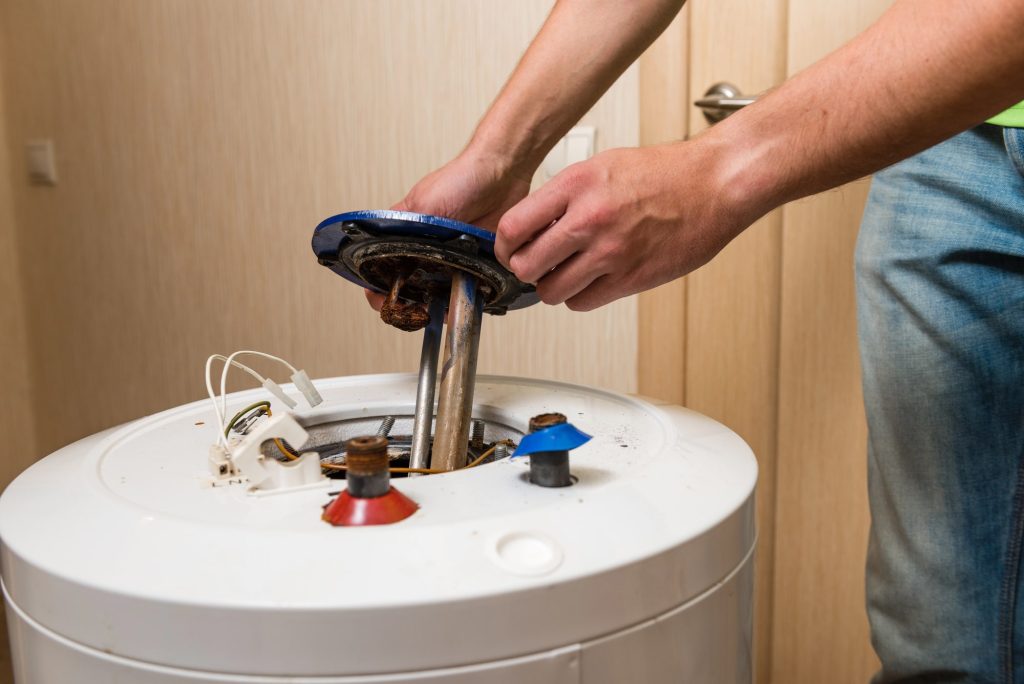
Electric water heater repair addresses a problem with the equipment that heats and stores household water, with the aim of restoring its function when repair is appropriate. This page explains the service in the context of plumbing services in Baldwin Park. The scope depends on the heater’s design and condition; electric models use electrical components and a storage tank, so assessment should distinguish a component issue from damage or another concern that may affect the whole unit.
Before choosing a repair scope, it helps to identify the heater’s make and model, approximate age if known, and any recent changes in operation. The cause cannot be determined from a symptom alone. A qualified assessment can consider whether a repair is suitable, whether more diagnosis is needed, or whether replacement should be considered. General information about water heater repair can help explain the broader service category.
Options depend on the property’s actual equipment and condition. If the tank and other components remain serviceable, a focused repair may be considered; if the unit is damaged or a repair is not practical, water heater installation may be an alternative. Drain or sewer concerns are separate matters, addressed by services such as drain cleaning or sewer line repair, rather than by water-heater repair itself.
For related service-area information, see Plumbing in Baldwin Park, Plumbing in West Covina, and Plumbing in El Monte. These pages provide location context; the appropriate heater scope still depends on the specific unit and property.
Signs That May Call for Heater Repair
A change in hot-water performance is worth describing, but it does not identify a fault by itself. Water that stays cool, takes longer than usual to heat, or runs out sooner may relate to a heating element, thermostat, electrical supply, sediment in the tank, or another issue. If the water temperature varies, note when it happens and whether it affects every hot-water tap or only one fixture.
Also report any visible moisture around the tank, unusual sounds, a tripped breaker, or a change in the water’s appearance or smell. These observations can help guide an assessment; for example, moisture might come from a connection or from the tank itself, and sound alone cannot confirm sediment buildup. Avoid opening electrical covers or touching wet components. Assessment may include checking the power supply, controls, heating elements, connections, and tank condition to determine whether repair is appropriate. Share the heater’s make and model if available, when the change began, and whether it is consistent or intermittent.
Discussing Heater Symptoms and Repair Options
A typical electric water heater repair process begins by clarifying the concern and the outcome you’re hoping for. You can share when the issue started, whether it is constant or intermittent, and the heater’s make, model, or approximate age if known. You may also ask what information would help determine whether repair is appropriate and whether replacement might need consideration. These details help frame the discussion but do not establish a diagnosis.
If assessment proceeds, the provider may consider the unit’s condition and relevant electrical and plumbing components. The checks needed can vary with the reported issue, heater design, and what is accessible; not every repair calls for the same testing or equipment. Access to the heater, its connections, or relevant controls may affect the work plan. Ask what areas need to be accessible and what could change the scope or duration, such as a newly identified fault or a need for further diagnosis.
Before work begins, a typical next step is to review the proposed scope, any alternatives, and what is not included. You can ask which parts or tasks are proposed and what would prompt a revised plan. Afterward, the provider may explain the work completed or any remaining diagnostic steps. The actual process depends on the specific unit and findings.
When to Seek Professional Water Heater Repair
Professional assessment is useful when the cause is unclear, symptoms come and go, or more than one part may be involved. Electric water heaters combine plumbing and electrical components, and a visible leak, repeated loss of hot water, or a breaker that trips again may need different checks. If there is active leaking near electrical components, avoid contact with the wet area and seek qualified help. A symptom alone does not establish whether a part can be repaired or the heater should be replaced.
Before authorizing work, ask who will assess or perform it and what relevant training or credentials they hold; check any credentials that apply to the proposed electrical and plumbing tasks. Ask what the assessment includes, how the cause will be explained, which repairs or alternatives are proposed, and what could change the scope. Clarify whether parts, additional diagnosis, cleanup, and follow-up are included or separate, and how any extra work will be approved. Get the responsibilities, costs, and other terms in writing before work begins, including who supplies parts and who is accountable for the agreed tasks. Clear written terms help both sides understand what has been authorized without assuming a particular outcome.
Electric Water Heater Repair FAQs
What should an electric water heater repair quote specify?
Ask for the diagnosis, proposed tasks, parts, labor, and any testing or follow-up included. Confirm what is excluded, such as additional troubleshooting, related electrical work, or replacement parts not yet identified. Cost can depend on the fault, heater design, accessibility, and whether diagnosis reveals more than one issue.
What information should I provide before discussing a repair?
Share the make and model, approximate age if known, and the symptoms you have noticed. Include when the problem began, whether it is constant, and any changes in hot-water performance, visible moisture, or breaker behavior. These details can help frame an assessment but do not confirm the cause.
Could repair work interrupt hot water or require access to other areas?
It may, depending on the proposed checks and repair. Ask which parts of the heater, nearby connections, electrical controls, or work areas need access, and whether hot water may be unavailable during the work. Duration can vary with the fault, access, parts needed, and any additional diagnosis.
How can I compare repair with replacement?
Ask what condition the tank and components are in, which repair is proposed, and whether the issue could recur or require further diagnosis. Compare the documented repair scope and cost with a replacement option, including what each includes. The appropriate choice depends on the heater’s condition and the findings.
What should I confirm before authorizing electric water heater work?
Confirm the specific tasks and parts, total cost or how changes will be priced, and what is excluded. Ask how additional work will be presented for approval before it proceeds, who is responsible for the agreed tasks, and what documentation or explanation you will receive when work is complete.
Questions about Electric Water Heater Repair?
Describe what you have noticed and ask about the next steps for your property.
Call (626)-275-9536