At a glance
Explore Sump Pump Repair in Baldwin Park: what the work may involve, signs to discuss and questions to ask before agreeing a scope.
What to Check Before Sump Pump Repair
A sump pump is intended to move water collected in a sump basin away from a property, helping limit water accumulation where the system is installed. Repair focuses on identifying why the pump or a related component is not operating as intended. This overview is part of information about plumbing services in Baldwin Park; it does not establish that every property has a sump pump or needs the same work.
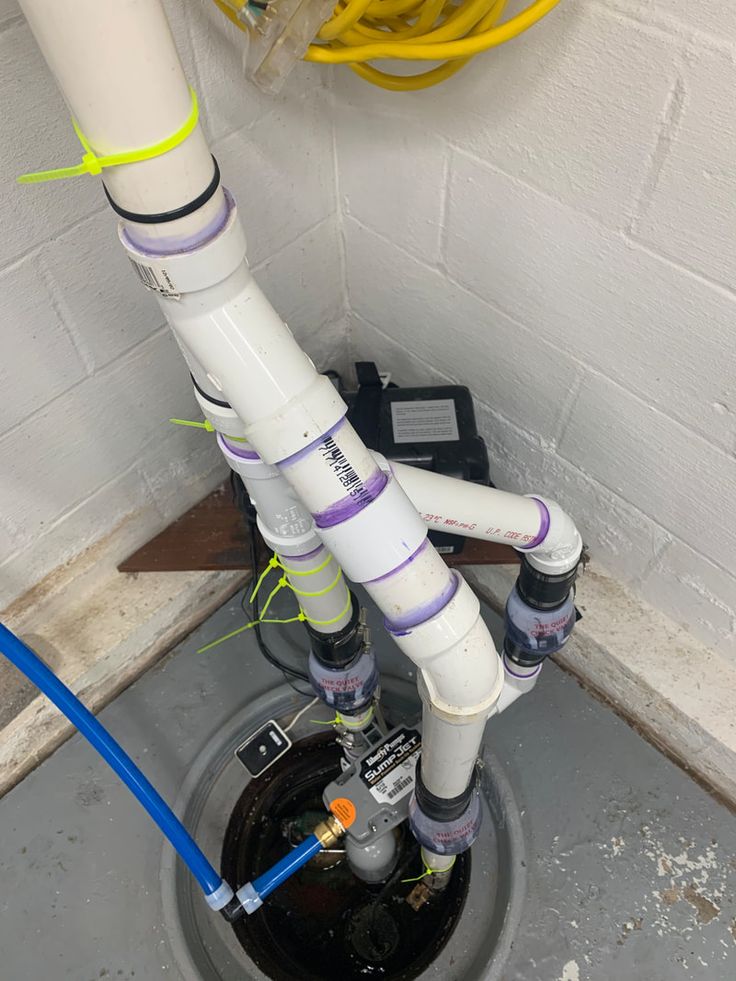
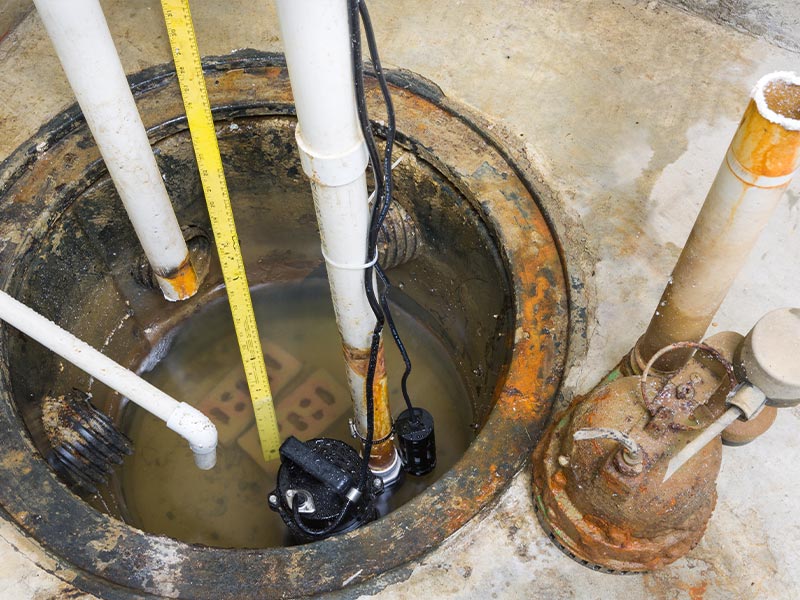
Before deciding on a repair scope, it helps to understand the system’s setup and condition: the pump type and age, basin, power source, discharge route, and any backup arrangement. The cause may involve the pump itself or another part of the setup, so replacing the unit is not automatically the only option. A clear assessment can distinguish a repairable component issue from a situation where replacement or further evaluation may be appropriate.
Available options depend on what is found and whether the existing equipment is compatible with the property’s needs. If the pump remains serviceable, a limited repair may be considered; if it is worn or unsuitable, replacement may merit consideration. Backup equipment, discharge concerns, or related water-management issues also depend on the actual installation. Other plumbing topics have separate scopes, including water heater repair, drain cleaning, sewer line repair, and water heater installation.
For location-specific plumbing information, see Plumbing in Baldwin Park, Plumbing in West Covina, and Plumbing in El Monte. These pages do not determine whether a particular property has a sump system or which repair option fits it.
Signs a Sump Pump May Need Attention
Notice what the sump pump does during operation: it may fail to start when water enters the basin, run continuously, cycle on and off repeatedly, or make a new or unusual sound. These are observations, not proof of a specific fault. Depending on the setup, possible causes could include a power interruption, a stuck float switch, a blocked or restricted discharge line, or wear in the pump. Water remaining in the basin or dampness nearby is also worth noting, though it may have more than one explanation.
When describing the issue, report when it began, how often the pump runs, whether it activates at all, and any recent changes in sound or cycling. Note whether the basin contains water, whether the outlet appears obstructed or water returns toward the basin, and whether a backup pump or alarm is present and operating. Avoid reaching into standing water or handling electrical parts; if water is near electrical equipment, keep clear and seek appropriate help.
An assessment may need to check the power supply, float and switch operation, pump condition, basin, discharge route, and any backup equipment. Those checks can help distinguish a component problem from an issue elsewhere in the system and inform whether repair, cleaning, or further evaluation should be considered.
Clarify the Pump Setup and Repair Scope
A typical sump pump repair process starts with clarifying what you want addressed and what you know about the setup. You can describe the pump’s behavior, when the issue began, and any information you have about the pump or backup system. Useful questions include what the assessment is intended to cover and whether any details about the installation would help explain the problem.
Next, the provider carrying out the work may assess relevant conditions, which can vary by system and reported issue. Access to the basin, pump, power source, discharge route, or backup equipment may matter if those parts are relevant and safely accessible. Restricted access, an unfamiliar setup, or a concern beyond the pump itself could affect the checks needed, the proposed scope, or how long the work takes.
Before work proceeds, ask what repair is proposed, which parts or tasks are included, and what findings could change the scope. After the assessment or repair, a typical next step is to review what was addressed, any limits or unresolved concerns, and whether further evaluation is suggested. The specific checks and next steps depend on the conditions found; they are not identical for every repair.
When Is Professional Sump Pump Repair Appropriate?
Professional assessment can be useful when the pump’s cause of failure is unclear, the unit starts and stops unpredictably, or the issue may involve the float switch, power supply, discharge route, or backup equipment. These parts can affect one another, and a proposed replacement may not address a problem elsewhere in the setup. If the pump works intermittently or the concern is limited, an assessment can help establish whether repair is needed and what it should cover.
Before authorising work, ask what checks are included, what the findings indicate, and which repair options are available. Clarify whether the quoted scope includes parts, testing after repair, and any work on related components, and ask what would require separate approval. You can also ask about relevant training, qualifications, and experience with sump pump systems, and verify any credentials that matter to you. Responsibilities should be clear: who will perform the work, what access or preparation is expected, and who will address any newly identified issue.
Request the proposed work and cost in writing, including exclusions, payment terms, and how changes to scope will be approved. Clear written terms help prevent misunderstandings about what has been authorised; wait to approve additional work until its scope and cost are explained.
Sump Pump Repair FAQs
What should a sump pump repair quote include?
Ask for the diagnosis, proposed tasks, parts, and any post-repair testing to be listed separately. Confirm whether the quote covers the float switch, power-related checks, discharge route, or backup equipment, and what is excluded. Costs can depend on the fault, parts required, access, and whether related components need attention.
What information should I share before requesting a sump pump assessment?
Describe what the pump does, when the problem began, how often it runs, and any changes in noise or cycling. Mention the pump’s age or model if known, whether a backup system or alarm is present, and any prior repairs. Photos of the setup may help explain access and equipment details.
Could access to the sump basin affect the work?
It can. The basin, pump, power source, discharge route, or backup equipment may need to be accessible for relevant checks. Move stored items only if it is safe to do so, and ask what clearance is needed. Restricted access, water near electrical equipment, or concealed components may affect the work scope or duration.
How can I compare repair with pump replacement?
Ask what failed, whether the affected part can be repaired, and whether the remaining pump and system are suitable for continued use. Compare the proposed repair scope with replacement, including parts, testing, compatibility, and any work on related components. The appropriate option depends on the pump’s condition and assessment findings.
What should I confirm before authorising sump pump work?
Confirm the exact tasks and parts, total quoted cost, exclusions, and whether testing is included. Ask how additional findings will be explained and approved before extra work begins, who will perform the work, and what preparation or access is expected. Keep the written scope and any changes for reference.
Questions about Sump Pump Repair?
Describe what you have noticed and ask about the next steps for your property.
Call (626)-275-9536