At a glance
Explore Sump Pump Installation in Baldwin Park: what the work may involve, signs to discuss and questions to ask before agreeing a scope.
Plan the Sump Pump Setup and Discharge Route
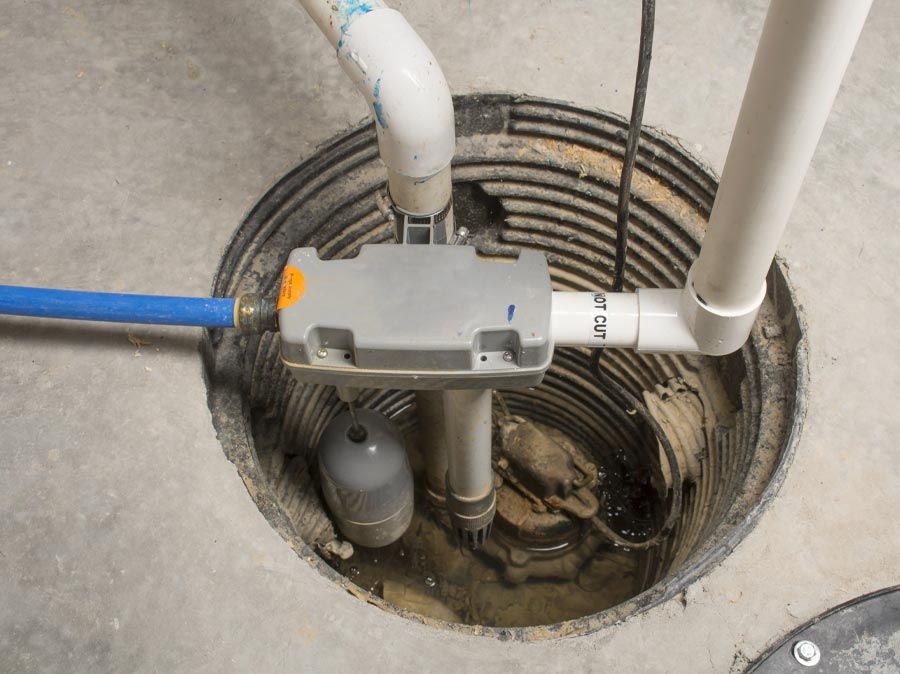
Sump pump installation is intended to collect water at a designated low point and move it through a discharge line to a suitable outlet. A pump may be considered where a basement, crawl space, or other below-grade area needs a way to manage water accumulation; it does not correct every underlying drainage or plumbing issue. For readers comparing plumbing services in Baldwin Park, the purpose of the setup is a useful starting point.
Before choosing the scope, the property’s layout and water-management needs must be understood: where water would collect, how much may need to be moved, whether there is room for a basin, and where discharged water can go. Pump capacity, basin dimensions, power supply, discharge routing, and backup provisions are choices that depend on those conditions. A suitable discharge route matters because simply moving water to another area may not address the underlying concern.
Some options depend on whether a pump is being added to an existing basin or a new collection point is needed, and on the available route for discharge. If the issue instead involves a blocked drain, drain cleaning may be relevant; concerns with a water heater or sewer line call for different considerations, such as water heater repair or sewer line repair. Water heater installation is another separate service.
For location-specific service information, see Plumbing in Baldwin Park, Plumbing in West Covina, and Plumbing in El Monte. These pages do not determine which sump pump arrangement a particular property requires; that depends on its layout and drainage conditions.
Sump Pump Warning Signs and Planning Needs
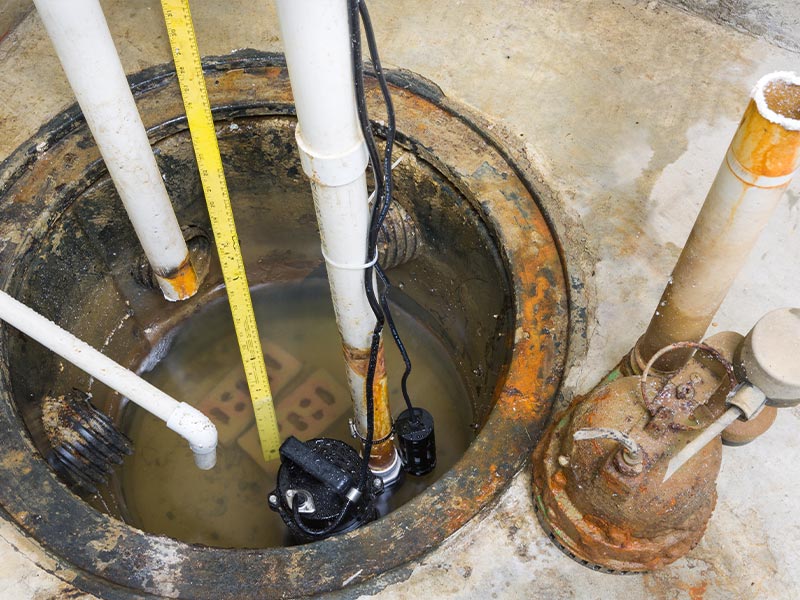
If a sump pump is already present, note changes such as water remaining in the basin, the pump cycling more or less often than usual, unfamiliar sounds, or visible damage to the power cord or discharge line. These observations do not identify a single cause: a change in cycling could relate to incoming water, a float or pump issue, or another condition. Water near the basin may also have more than one possible source, so avoid treating it as proof that the pump has failed.
For a planned installation, useful details include where water has collected, when it appeared, how much was observed, whether the area has an existing basin or pump, and what happens during operation. Photos, notes about recent changes, and any known pump or backup-system details can help clarify the concern. An assessment may need to consider the collection point, basin and pump condition or size, float operation, power supply, discharge-line routing and outlet, and whether another drainage issue should be addressed. For maintenance, ask what components were checked and note any recurring changes afterward.
Review Placement, Basin, and Discharge Options
A typical sump pump installation process starts by clarifying the goal: managing water collected in a particular area, replacing an existing pump, or considering a new setup. You can ask what information would help determine the likely scope and share whether a basin or pump is already present, where water collects, and any known access constraints. These details help frame the discussion but do not, by themselves, establish what equipment is needed.
Next, the conditions relevant to the proposed work may be assessed. Depending on the situation, this could include the collection point, basin, power supply, and a feasible discharge route. The scope may change if a new basin is needed, access is restricted, discharge routing presents a challenge, or another drainage concern needs attention. Ask which conditions could affect the work and whether additional access or preparation may be required.
Before work proceeds, the proposed scope can be clarified, including the pump and basin work, discharge arrangements, and any exclusions or dependencies. Duration may vary with the setup and access, so ask what could affect the schedule rather than assuming a fixed timeframe. After installation, typical next steps may include reviewing what was completed, discussing operation, and identifying any remaining questions or work; the provider carrying out the installation would confirm what applies.
When Is Professional Sump Pump Help Appropriate?
A professional assessment can be useful when it is unclear where water is entering or collecting, whether an existing basin can be used, what pump capacity is appropriate, or how discharge can be routed to a suitable outlet. Complicated access, electrical supply considerations, or a setup that may need a new basin can also affect the scope. A single observation, such as a pump cycling frequently, does not establish the cause or mean installation is automatically needed.
Before choosing someone to assess or perform the work, ask what relevant sump-pump installation experience and qualifications they have, and whether they can explain the proposed basin, pump, power and discharge arrangements. Request a written description of included work, exclusions, materials or equipment, price and payment terms, schedule assumptions, and how changes or additional work would be approved. Check which credentials apply to the specific work rather than assuming they are held.
Make clear who is responsible for each part of the job, including any related electrical or discharge work, and who will address questions after completion. Read the written terms before authorizing work; a clear agreement helps prevent different expectations about scope, costs, responsibilities, or what happens if conditions differ from those anticipated.
Sump Pump Installation FAQs
What should an installation quote specify?
Ask for a written breakdown of the pump and basin work, discharge line and outlet, power-related work, materials, and any site preparation. Confirm what is excluded, such as repairs to separate drainage issues, and how extra work or changed conditions would be priced and approved. Cost depends on the setup, access, and scope.
What information should I share before discussing installation?
Describe where and when water collects, whether a basin or pump is already present, and any changes in pump operation. Share photos if available, plus known equipment details and access limitations. This can help frame the assessment, but the appropriate pump and installation scope depend on the conditions at the property.
Could installation disrupt the area around the sump?
It may, particularly if the work requires creating a collection point, modifying a basin, or routing a discharge line through an occupied or finished area. Ask which areas need access, what surfaces may be affected, and what preparation or restoration is included. The extent of disruption depends on the existing setup and proposed route.
How can I decide between repairing an existing pump and replacing it?
Ask what checks identified the problem and whether it involves the pump, float, power supply, basin, or discharge line. A repair may address a specific fault, while replacement may be considered if the pump is unsuitable or has broader issues. Request the reasoning, scope, and any remaining concerns in writing before deciding.
What should I confirm before authorizing sump pump work?
Confirm the exact equipment and work included, discharge destination, responsibility for any power-related tasks, exclusions, price and payment terms, and what could change the duration. Clarify how unexpected conditions or added work will be discussed and approved. Have the responsible provider explain operation and identify any unresolved work before you authorize the scope.
Questions about Sump Pump Installation?
Describe what you have noticed and ask about the next steps for your property.
Call (626)-275-9536