At a glance
Explore Water Filtration Service in Baldwin Park: what the work may involve, signs to discuss and questions to ask before agreeing a scope.
Compare Filtration Options and System Features
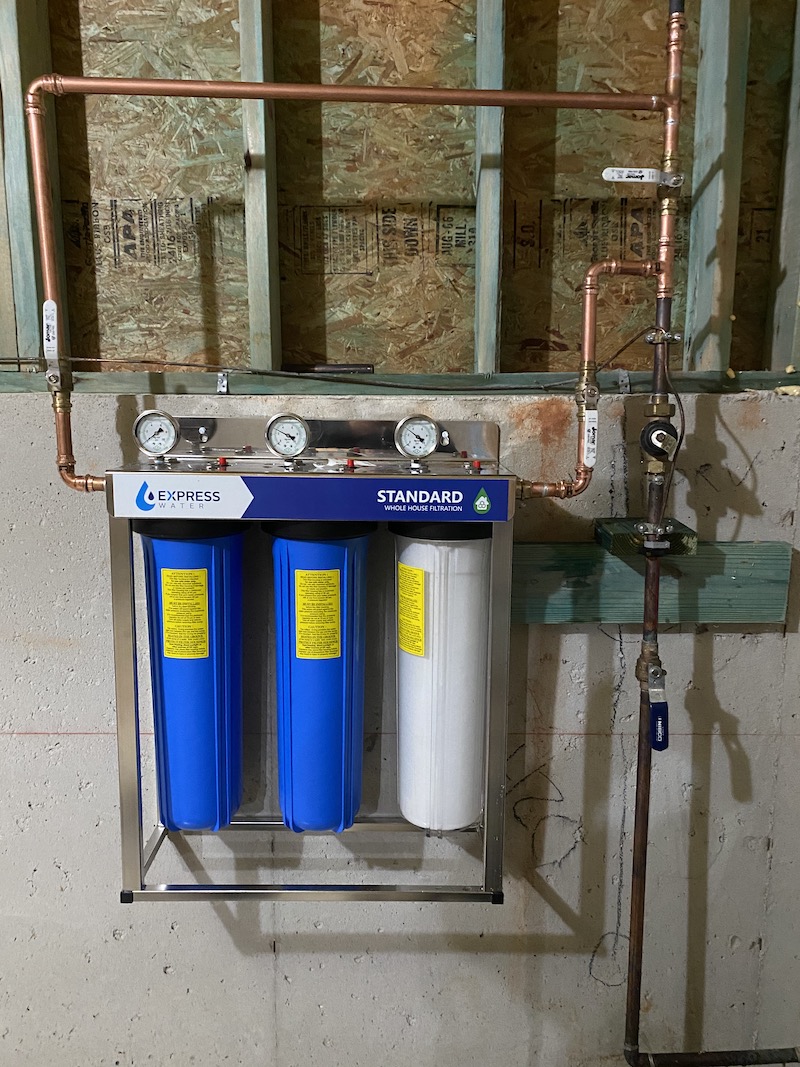
Water filtration is intended to reduce or remove particular substances from water, but different systems address different concerns. Before comparing options, identify what you want to change and what is known about the water entering the property. This overview from plumbing services in Baldwin Park can help frame questions about filtration without assuming one system suits every home.
The scope depends on the goal: treatment at a single tap may differ from treatment where water enters the property. Filter media, capacity, flow needs, installation space, and upkeep are among the factors to compare. If the concern is unclear, appropriate water testing or reliable information about the water source can help guide the choice. Filtration should not be selected solely because a particular product is popular.
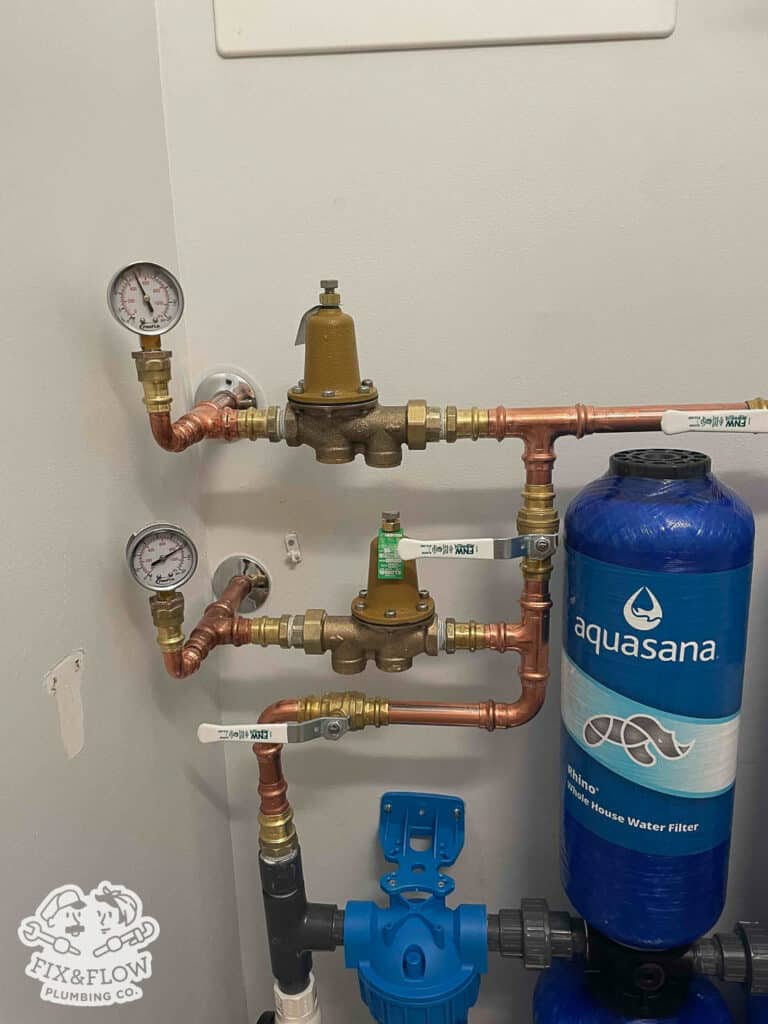
Property conditions can affect which options are practical. Existing plumbing layout, available room, connection points, and the water’s characteristics may influence system type and placement. A filter may also need periodic maintenance or replacement components, so consider how those requirements fit the household. Filtration is distinct from water heater repair and water heater installation; it does not address every plumbing concern. Likewise, drain cleaning and sewer line repair deal with separate systems.
For related service information, see Plumbing in Baldwin Park, Plumbing in West Covina, and Plumbing in El Monte. These pages provide location-specific plumbing information; the suitability of a filtration approach still depends on the individual property and its water needs.
Water Filter Upkeep and Replacement Signs
A change in taste, odor, appearance, or flow after a filtration system is installed is worth noting, but it does not identify the cause on its own. A taste or smell difference could relate to the water source, plumbing, or a filter component; reduced flow might reflect a loaded cartridge, a valve position, or another restriction. If the change affects only one tap or occurs throughout the property, that distinction can help narrow what needs assessment.
For maintenance or replacement planning, keep track of the system type, filter model, installation or last-replacement date, and any stated service interval. Note when a change began, whether it is constant or intermittent, which fixtures are affected, and whether a leak, unusual sound, or visible discoloration is present. Assessment may include checking the cartridge and housing, connections, valves, system capacity, and compatibility with the water conditions and intended use. If the concern is about a substance in the water, appropriate testing or reliable source information may be needed; appearance and taste alone cannot confirm what is present.
Clarify Filtration Goals Before Installation
A typical Water Filtration Service process begins by clarifying what you hope to address, such as a particular taste, an identified water concern, or treatment at one tap versus the point where water enters the property. You can ask which information would help compare options, what a system is designed to reduce, and what upkeep it may require. The appropriate provider can explain which concerns may call for testing or reliable information about the water source before selecting equipment.
Assessment, when appropriate, may consider the water characteristics, existing plumbing connections, available installation space, flow requirements, and intended coverage. Not every enquiry requires the same checks or equipment. Those findings can change the proposed scope, including system type and placement, access to the relevant plumbing, and whether additional information is needed before proceeding. The provider should discuss the proposed work and any access requirements before work is agreed; duration depends on the specific conditions and scope.
Before authorizing work, ask what is included, what remains outside the scope, and whether maintenance or replacement components should be planned for. After the work, a typical review may cover what was completed, any operating or care guidance provided, and unresolved questions or next steps. These are general process stages, not a promise that every project follows the same sequence.
Consider Professional Help for Filtration Questions
Professional assessment can be useful when the water concern is not clearly identified, test information is incomplete, or you are unsure whether treatment is needed at one tap or across the property. System selection and installation can also involve questions about plumbing compatibility, available space, flow requirements, and ongoing filter maintenance. A change in taste, odor, appearance, or flow alone does not establish what is in the water or which system would address it.
Before choosing someone to assess or carry out the work, ask what their assessment covers and whether it includes reviewing test results or recommending appropriate testing. Ask about relevant training or qualifications for water treatment and plumbing work, and how they will confirm that proposed equipment suits the intended use and existing connections. Request a clear written scope stating the equipment and installation tasks, exclusions, maintenance expectations, and any conditions that could change the work or cost. Confirm who is responsible for equipment selection, installation, testing or commissioning, and explaining operation. Clear written terms let you review what is authorized and resolve questions before work begins.
Water Filtration FAQs
What should a water filtration quote spell out?
Ask for the proposed system and treatment goal, installation location, included plumbing changes, and any testing or setup included. The quote should identify exclusions, maintenance needs, replacement components, and conditions that could alter the scope or cost. Equipment type, capacity, access, and existing connections can all affect pricing.
What information should I gather before requesting an assessment?
Describe what you want to address and whether it affects one tap or multiple fixtures. Share any water test results or reliable information about the water source, plus the filter model and maintenance history if a system is already installed. Photos of the unit and accessible connections may help explain the setup.
Could filtration installation interrupt water use?
Some installation work may require access to plumbing connections or temporarily shutting off water to part of the property. The amount of access and disruption depends on the system location and work scope. Before authorizing, ask which areas need to be accessible, what must be moved, and how water use may be affected.
Can an existing filtration system be repaired instead of replaced?
That depends on the system’s condition, the cause of the problem, component availability, and whether the equipment suits the intended treatment goal. Ask for the diagnosed issue, proposed repair, and any remaining limitations. Compare that scope with replacement, including installation changes and future filter or component upkeep.
What should I confirm before authorizing filtration work?
Confirm the exact equipment, installation tasks, exclusions, expected access and water interruption, and how testing or operation will be checked, if included. Ask who handles equipment selection and installation, what maintenance is required, and which circumstances could change cost or duration. Get the agreed scope and terms in writing before work begins.
Questions about Water Filtration Service?
Describe what you have noticed and ask about the next steps for your property.
Call (626)-275-9536